At a glance
- Constipation affects 17% to 24% of participants in GLP-1 trials, and smaller meals mean less food-based water and less fiber.
- Adults generally need 22 to 34 grams of fiber per day depending on age and sex, but NIDDK advises adding fiber a little at a time so your gut adjusts.
- The 2026 Delphi consensus recommends more than 2 liters of fluid daily — sipped between small meals so water does not crowd out protein.
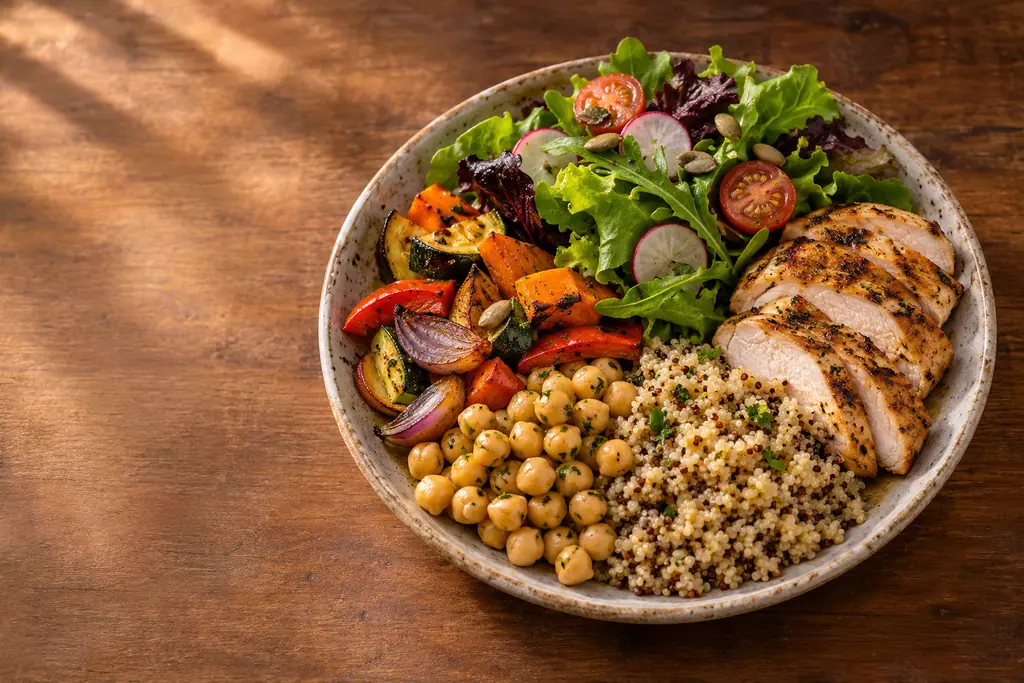
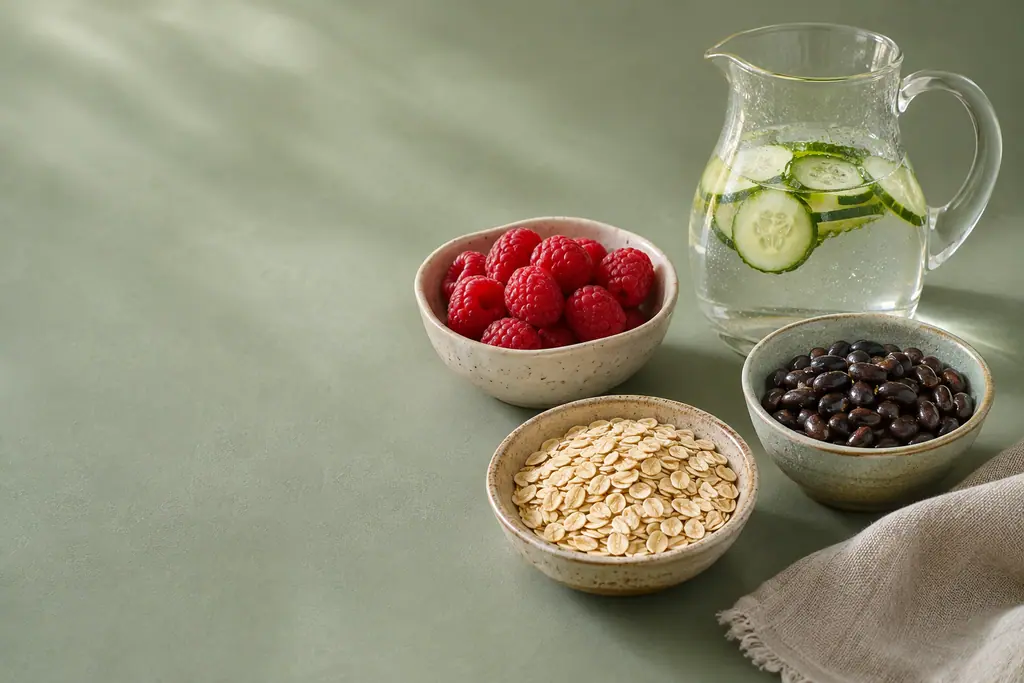
- Soft, cooked, or soaked fiber foods (oats, chia, lentils, beans, berries, edamame) are often far kinder than giant raw salads.
Fiber without fluid is like dry oatmeal in a bowl — it does not move. Pair every modest step up in fiber with steady sips of water.
When you are eating less overall on a GLP-1 medication, two quiet things happen in your kitchen at the same time: your fiber drops and the water you normally got from food drops right along with it. Combine that with slower digestion — clinical trials report constipation in 17% to 24% of participants [3] — and things can stall fast.
The fix is not dumping three tablespoons of dry bran into your morning bowl. Going from very low fiber to a mountain of raw vegetables overnight almost always backfires into bloat and cramps. Here is how to build both fiber and fluids gently so your stomach stays comfortable.
Why fluids have to come first (and when to sip)
Water is what lets fiber actually work. The National Institute of Diabetes and Digestive and Kidney Diseases (NIDDK) notes that water and other liquids — including clear soups — help soften stools and help dietary fiber move through the digestive tract [1]. The CDC adds that getting enough water helps prevent dehydration, which is linked to constipation, unclear thinking, mood changes, overheating, and kidney stones [2].
Because appetite and thirst cues can both feel quieter when you eat less, the 2026 modified Delphi expert consensus states that more than 2 liters of fluid per day is necessary during GLP-1 therapy, with extra attention during exercise, diarrhea, vomiting, or hot weather [4]. The 2025 joint clinical advisory also emphasizes preventing dehydration because severe fluid loss can stress the kidneys [3].
Practical fluid-timing habits when you get full fast:
- Separate big drinks from meals: Sip steadily between your mini-meals rather than chugging 16 ounces right before you sit down to eat, so liquid does not crowd out your protein bites.
- Rotate temperatures and flavors: Plain cold water, warm ginger or peppermint tea, and savory mugs of broth or soup (like Butternut & Lentil Soup) all count toward daily fluids [1] [2].
- Lean on high-water foods: Cucumbers, berries, peaches, soups, and yogurt add quiet hydration alongside your glass [2].
Soluble vs. insoluble fiber — and why going slow matters
Depending on age and sex, the NIDDK notes that adults generally need 22 to 34 grams of fiber per day [1]. The FDA Daily Value printed on U.S. Nutrition Facts labels is 28 grams per day [6].
MedlinePlus explains that foods contain two helpful kinds of dietary fiber — soluble fiber (found in oats, beans, lentils, chia, and soft fruit, which mixes smoothly with water) and insoluble fiber (found in whole grains, vegetables, and skins, which adds bulk) [5]. Both support digestion and fullness, but both NIDDK and MedlinePlus warn that adding fiber too quickly causes gas, bloating, and cramps [1] [5].
Think of fiber like turning up a dimmer switch, not flipping a breaker. Add one gentle fiber food for a few days, keep your water steady, and see how your stomach responds.
The 2025 joint clinical advisory also points out a useful nuance: because heavy fiber slows gastric emptying, dialing back bulky high-fiber foods on acutely queasy days can help calm nausea, then building back slowly once you feel steady [3] [4].
Gentle high-fiber foods that fit on a small plate
You do not need giant raw kale salads to hit a comfortable fiber rhythm. The NIDDK highlights five everyday food families that deliver real fiber in modest, tender portions [1]:
| Gentle food family | Soft, small-plate picks | Real high-fiber recipe pairing |
|---|---|---|
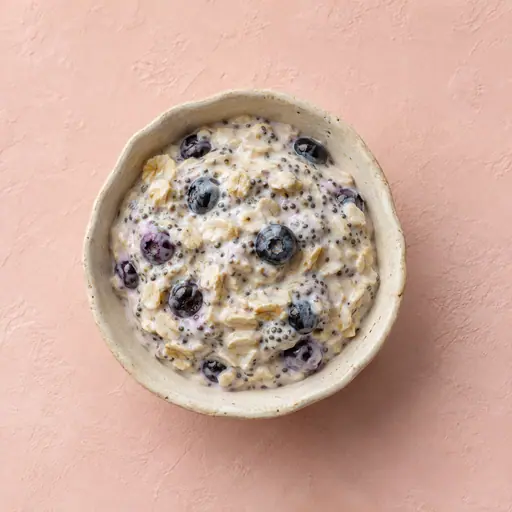
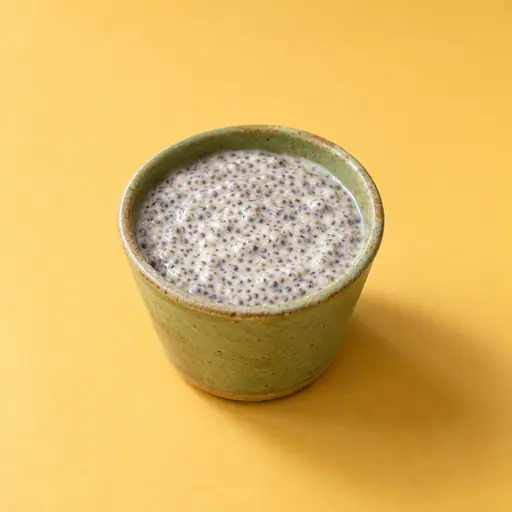
| Soaked oats & seeds | Rolled oats, chia pudding, hemp hearts (paired with fluid) | Blueberry Lemon Overnight Oats or Maple Chia Pudding |
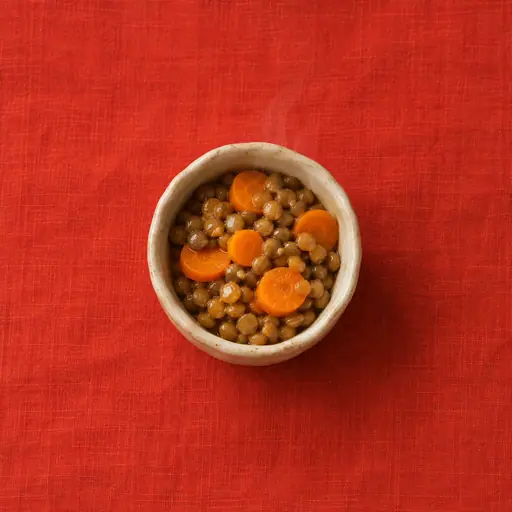
| Tender legumes | Soft lentils, black beans, white beans, shelled edamame | Soft Lentil & Carrot Cup or Warm Shelled Edamame Cup |
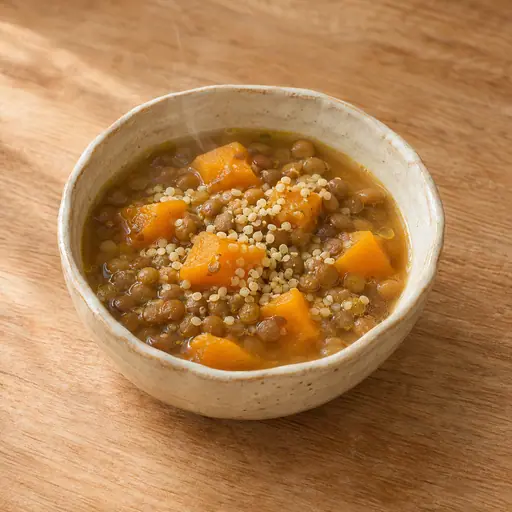
| Warm blended or brothy soups | Lentil-vegetable soup, turkey and black bean chili | Butternut & Lentil Soup or One-Pot Turkey & Black Bean Chili |
| Soft fruits & berries | Blueberries, raspberries, strawberries, pears, apples with skin [1] | Stir frozen berries into yogurt or oats with zero prep |
| Cooked vegetables | Steamed carrots, green peas, tender broccoli florets [1] | Easier on a slow stomach than huge bowls of raw veg |
What if food alone is not enough?
Because smaller plates leave less total room, the 2026 modified Delphi consensus notes that fiber intake should be adjusted to individual tolerability and that a gentle fiber supplement (such as psyllium) can be discussed with your care team when food alone does not get you there [4]. If constipation is persistent, painful, or comes with severe abdominal pain, check in with your doctor or registered dietitian [1].
Next steps in your kitchen
- Balance your daily protein target in the Protein calculator and map out gentle meals in our free 1-day plan.
- Looking for soft, soluble-first constipation relief foods? Read Gentle High-Fiber Foods for GLP-1 Constipation.
Try this in your kitchen
Small plates that match this guide
Six high-fiber small plates from our library (every one has 6 g or more of USDA-calculated fiber alongside real protein).
- Warm Shelled Edamame Cup
- Soft Lentil & Carrot Cup For the rest of the family: add a side of rice and roasted carrots.
- High-Protein Blueberry Chia Overnight Oats (No Powder)
- High-Protein Maple Chia Pudding
- Butternut & Lentil Soup For the rest of the family: make a larger pot and add a plate of toast and sliced apples.
- One-Pot Turkey & Black Bean Chili For the rest of the family: simmer four portions and serve with avocado and warm corn tortillas.
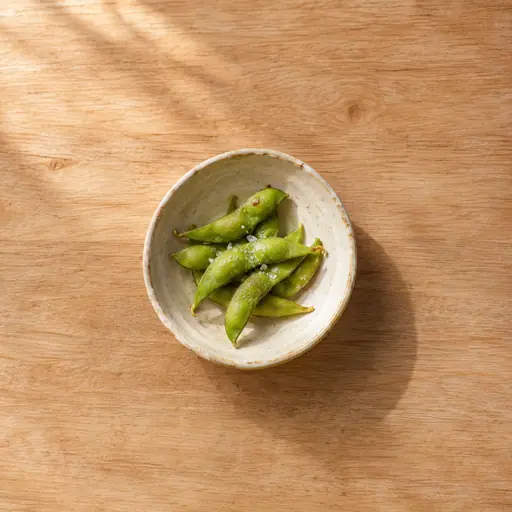
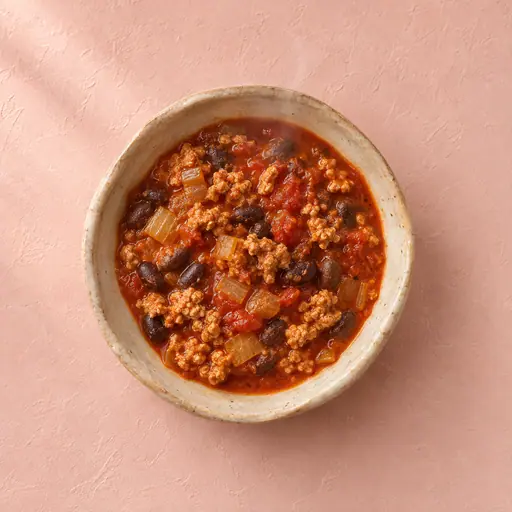
Macros are calculated by code from USDA FoodData Central.
Common questions
Why does constipation happen so often on GLP-1 medications?
GLP-1 medications slow how quickly food moves through the digestive tract, and clinical trials report constipation in 17% to 24% of participants. Eating smaller overall portions also lowers both dietary fiber and the water you normally get from food.
How much fiber should I aim for each day without getting bloated?
Depending on age and sex, NIDDK notes adults need 22 to 34 grams of fiber per day (the FDA Nutrition Facts label Daily Value is 28 g). Both NIDDK and MedlinePlus advise adding fiber gradually — a little at a time alongside plenty of fluids — because jumping too fast causes gas, bloating, and cramps.
Should I drink water with my meals or between meals?
If you get full quickly, try sipping most of your fluids between mini-meals rather than chugging a big glass right before eating. That keeps you on track for the 2+ liters of daily fluid recommended in the 2026 modified Delphi consensus without crowding out your protein bites.
What if food alone is not enough to stay regular?
The 2026 modified Delphi consensus notes that fiber should be adjusted to your personal tolerance and that a gentle fiber supplement (such as psyllium) can be discussed with your care team if diet alone is not enough. Call your doctor if constipation is persistent, painful, or comes with severe abdominal pain.
Sources
Every health, nutrition, and food-safety claim in this guide links to a published advisory, peer-reviewed paper, or public agency document.
- Eating, Diet, & Nutrition for Constipation — National Institute of Diabetes and Digestive and Kidney Diseases (NIDDK, NIH) (2018)
- About Water and Healthier Drinks — Centers for Disease Control and Prevention (CDC) (2026)
- Nutritional priorities to support GLP-1 therapy for obesity: A joint advisory from the American College of Lifestyle Medicine, the American Society for Nutrition, the Obesity Medicine Association, and The Obesity Society — The American Journal of Clinical Nutrition / Obesity Pillars (2025)
- Nutritional and lifestyle supportive care recommendations for management of obesity with GLP-1-based therapies: An expert consensus statement using a modified Delphi approach — Obesity Pillars (2026)
- Dietary Fiber — MedlinePlus, National Library of Medicine (NIH) (2024)
- Daily Value on the Nutrition and Supplement Facts Labels — U.S. Food and Drug Administration (FDA) (2024)