At a glance
- Clinical withdrawal trials (STEP 1 extension and SURMOUNT-4) show substantial weight regain after stopping GLP-1 medications — biology pushes back, not weak willpower.
- When appetite grows, shift from tiny dense bites toward higher-volume plates loaded with protein, water-rich vegetables, beans, and whole grains.
- Keep structured meal timing and stop at 'comfortably full' instead of swinging into strict rules.
- Coordinate any change in treatment with your prescribing clinician, and protect lean mass with steady protein plus 2+ days/week of strength work.
Maintenance is not eating tiny portions forever. It is trading small, dense plates for generous plates built around protein, water-rich vegetables, and fiber.
Whether your weight has plateaued, your appetite simply feels louder than it did six months ago, or you and your doctor are planning life after a GLP-1 medication, the return of real hunger can catch you off guard. After months of feeling full on five bites, suddenly wanting a full plate can feel scary.
Take a breath first: feeling hungrier is biology, not failure.
Staying in maintenance vs. stepping off: what trials show
Every maintenance path looks slightly different — some adults stay on long-term medical care with their clinician, while others transition off therapy for cost, tolerance, or personal reasons. Always coordinate any treatment change with your prescribing doctor [3].
Large clinical trials make it clear why maintenance deserves a calm, deliberate food plan rather than white-knuckling tiny portions:
- In the STEP 1 trial extension (327 participants followed for one year after stopping GLP-1 treatment and lifestyle intervention), participants had lost an average of 17.3% of body weight during treatment and regained roughly two-thirds of that loss (11.6 percentage points) over the year after withdrawal [1].
- In the SURMOUNT-4 randomized withdrawal trial (670 participants), adults who switched to placebo after 36 weeks experienced a mean 14.0% weight regain over the following 52 weeks, with 16.6% maintaining at least 80% of their initial weight loss compared with 89.5% of those who continued [2].
- Real-world cohorts cited in the 2026 modified Delphi expert consensus report discontinuation rates of 50% or more at one year — which is why the panel strongly recommends long-term support for weight maintenance rather than treating weight loss as a short sprint [3].
Shift from “small and dense” to “generous and high-volume”
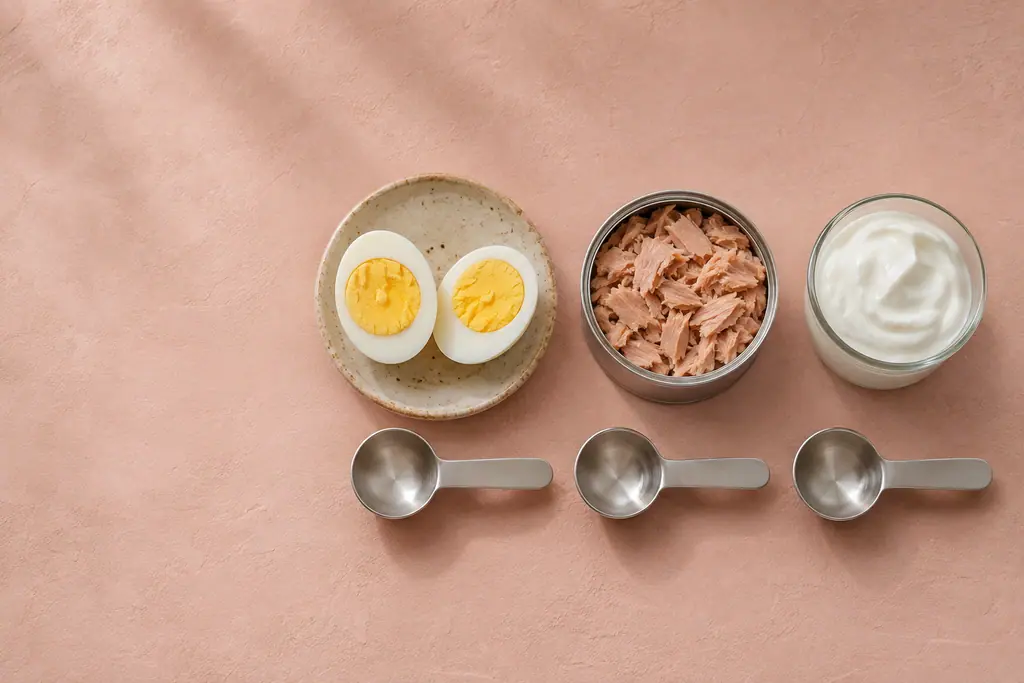
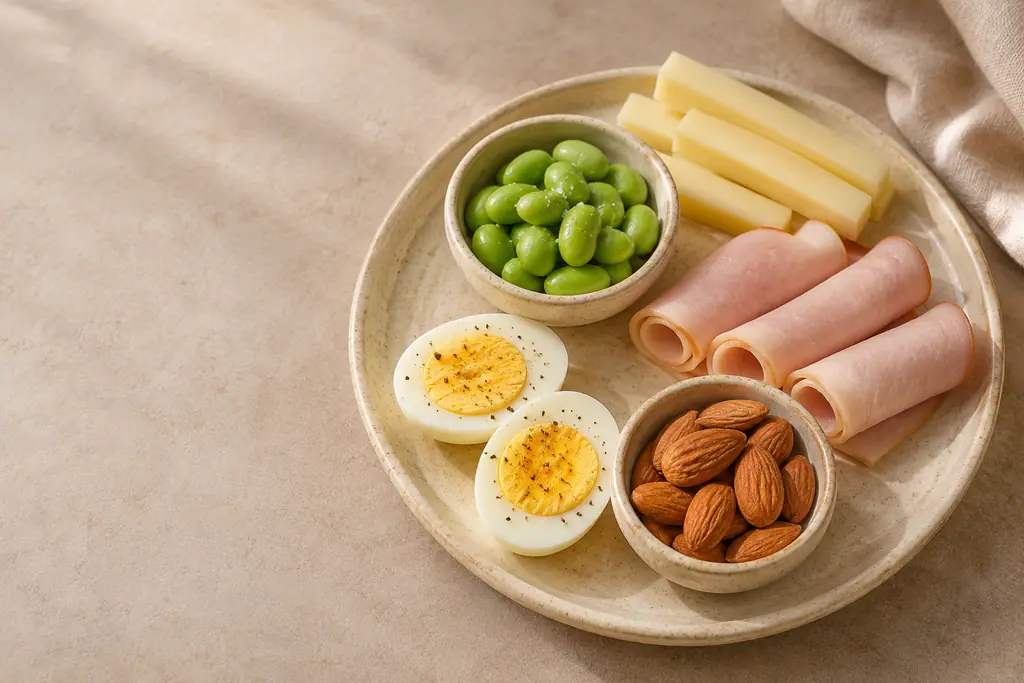
When appetite is very low, your job is fitting maximum protein into a tiny space. When appetite comes back, your job flips: you want a bigger, visually satisfying plate that keeps you full for hours without quietly doubling your calories.
The CDC points to a straightforward culinary tool: water-rich, high-fiber vegetables and fruits [4]. Because vegetables and fruits carry water and fiber, they slow digestion, help you feel full, reduce hunger, and lower the calorie density of a meal without shrinking the actual amount of food on your plate [4]. (Preparation still matters: the CDC notes that whole, steamed, or roasted vegetables support weight maintenance, whereas fried vegetables like french fries are linked with weight gain [4].)
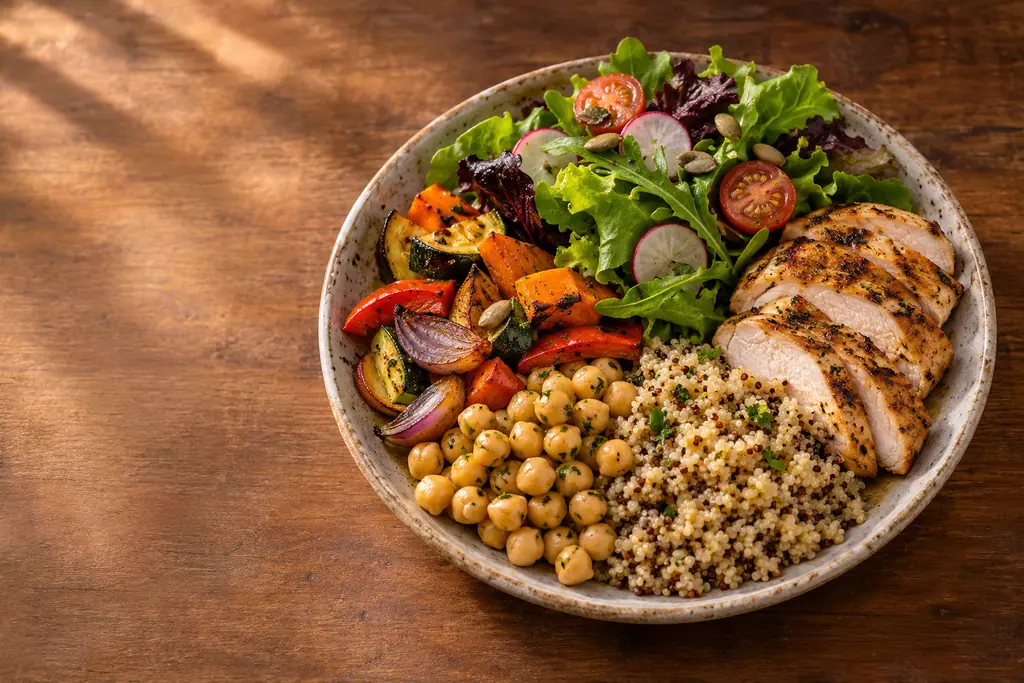
Here is how a maintenance plate upgrades a mini-meal:
- Keep the protein anchor at the center — fish, poultry, eggs, Greek yogurt, cottage cheese, tofu, or beans.
- Double the produce and fiber volume around it — add roasted broccoli, shredded romaine, diced cucumbers, salsa, green peas, or berries.
- Choose slow-digesting carbs — beans, lentils, quinoa, oats, or corn tortillas instead of refined snacks that vanish in twenty minutes.
When hunger returns, do not shrink your plate in panic — widen it with vegetables, beans, and protein so you leave the table genuinely satisfied.
A realistic maintenance eating rhythm
Instead of rigid rules, anchor your day around three hearty meals plus one planned afternoon protein-and-fiber snack (you can also preview a full 7-day layout on our Sample week page):
- Morning: High-protein yogurt or overnight oats with berries so morning hunger never snowballs into mid-morning grazing.
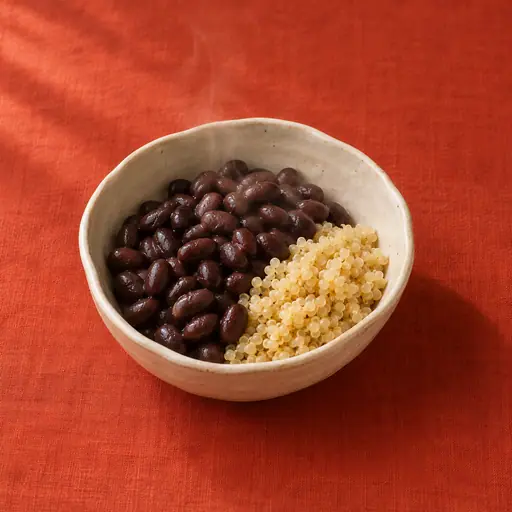
- Midday: A high-volume grain or legume bowl such as Tofu & Edamame Quinoa Bowl or Soft Black Bean & Quinoa Bowl.
- Afternoon: A steady bridge snack (cottage cheese with fruit, shelled edamame, or apple slices with peanut butter and hemp).
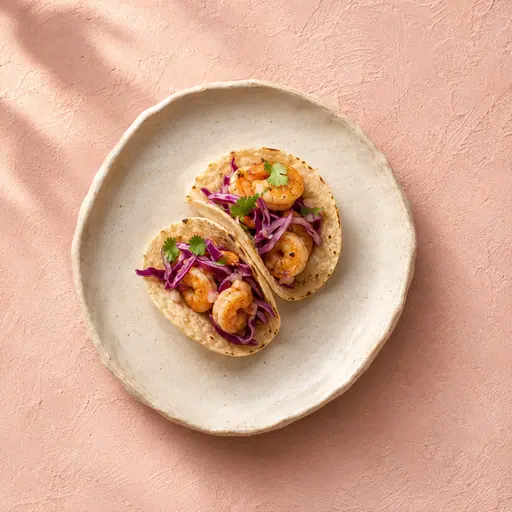
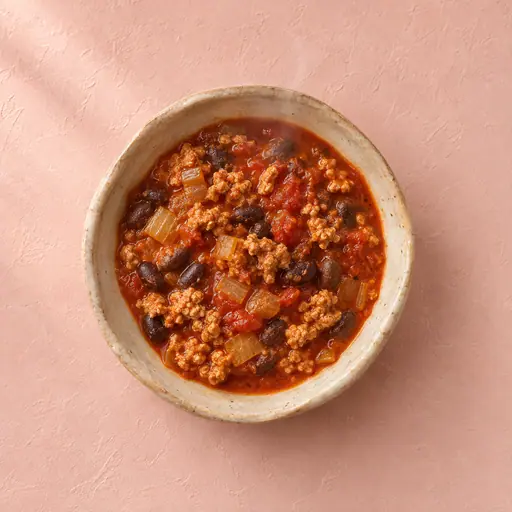
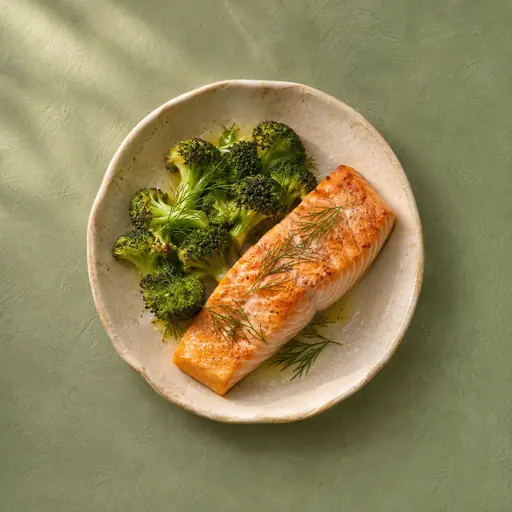
- Evening: A balanced, colorful dinner plate like Sheet-Pan Salmon & Broccoli, One-Pot Turkey & Black Bean Chili, Salmon & Rice Bowl, or Two Shrimp & Avocado Tacos.
Protect the habits that make maintenance livable
The 2026 modified Delphi consensus emphasizes that multiple eating patterns can work for maintenance as long as you can actually follow them while meeting protein, fiber, healthy fat, and micronutrient needs [3]. The CDC similarly notes that counting calories all the time is not required, and that long-term weight stability is shaped by food choices, physical activity, sleep, age, genetics, and medications [5].
Keep three low-drama anchors steady:
- Eat on a regular rhythm. Skipping lunch to “save room” almost always triggers ravenous evening snacking.
- Stop at “comfortably full.” That mindful cue highlighted in the 2026 Delphi consensus [3] still works on a fuller plate.
- Keep lifting and moving. The CDC Physical Activity Guidelines recommend at least 150 minutes of moderate aerobic activity per week plus 2 or more days a week of muscle-strengthening activity [6]. Keeping your muscle strong supports day-to-day energy and physical function for the long haul [3].
Next steps in your kitchen
- Recheck your target as your routine evolves with our Protein calculator, or build a structured day in our free 1-day plan.
- Keep reading: Protein for Women Over 50 and Eating Out on a GLP-1.
Try this in your kitchen
Small plates that match this guide
Six heartier, protein-and-fiber-rich meals designed to keep fullness steady as your plate widens.
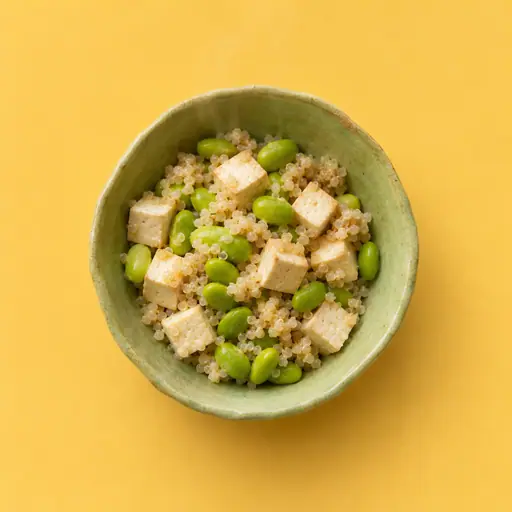
- Tofu & Edamame Quinoa Bowl For the rest of the family: add more quinoa and a tray of roasted vegetables.
- Salmon & Rice Bowl For the rest of the family: add more rice and a tray of roasted broccoli.
- Soft Black Bean & Quinoa Bowl For the rest of the family: add corn tortillas and a side of grilled peppers.
- Two Shrimp & Avocado Tacos For the rest of the family: add a pot of black beans and warm extra tortillas.
- One-Pot Turkey & Black Bean Chili For the rest of the family: simmer four portions and serve with avocado and warm corn tortillas.
- Sheet-Pan Salmon & Broccoli For the rest of the family: roast four fillets with the broccoli and add a pot of rice.

Macros are calculated by code from USDA FoodData Central.
Common questions
Why does hunger feel so loud when coming off a GLP-1 medication?
Weight loss triggers real biological signals that push appetite back up. In both the STEP 1 trial extension and the SURMOUNT-4 withdrawal trial, participants experienced substantial weight regain over the year after stopping therapy — which is why maintenance calls for practical volume-and-protein meal habits plus ongoing medical guidance, never self-blame.
How should my plate change once my appetite starts coming back?
During low-appetite months, you focus on small, dense protein bites. In maintenance, keep your protein anchor at the center and widen the plate with water-rich, high-fiber vegetables, fruits, beans, and whole grains — CDC guidance notes these lower-energy-dense foods slow digestion and help you feel full on a satisfying volume.
Do I have to count calories forever to maintain my weight?
No. The CDC notes that counting calories all the time is not necessary, and the 2026 modified Delphi consensus emphasizes that multiple sustainable eating patterns work for maintenance as long as you can follow them and meet protein, fiber, and micronutrient needs.
Should I change my medication schedule on my own once I feel ready for maintenance?
Never adjust or stop a prescription medication without talking to your prescribing clinician first. Your doctor or registered dietitian can help align your medical plan and your nutrition plan for long-term stability.
Sources
Every health, nutrition, and food-safety claim in this guide links to a published advisory, peer-reviewed paper, or public agency document.
- Weight regain and cardiometabolic effects after withdrawal of semaglutide: The STEP 1 trial extension — Diabetes, Obesity and Metabolism (via PubMed, PMID 35441470) (2022)
- Continued Treatment With Tirzepatide for Maintenance of Weight Reduction in Adults With Obesity: The SURMOUNT-4 Randomized Clinical Trial — JAMA (via PubMed, PMID 38078870) (2024)
- Nutritional and lifestyle supportive care recommendations for management of obesity with GLP-1-based therapies: An expert consensus statement using a modified Delphi approach — Obesity Pillars (2026)
- Tips for Increasing Vegetables and Fruits in Your Diet — Centers for Disease Control and Prevention (CDC) (2026)
- Tips for Maintaining Healthy Weight — Centers for Disease Control and Prevention (CDC) (2026)
- Adult Activity: An Overview (Physical Activity Guidelines for Americans) — Centers for Disease Control and Prevention (CDC) (2023)