At a glance
- To convert U.S. pounds to kilograms, divide by 2.2 (1 pound is about 0.45 kilograms per NIST).
- The baseline adult RDA is 0.8 g/kg/day, while the 2025 joint clinical advisory proposes 1.2–1.6 g/kg/day (or 80–120 g/day) during active weight reduction.
- Using actual body weight can overestimate protein needs at higher weights, which is why clinicians often calculate from an adjusted or goal weight.
- Anyone with chronic kidney disease needs an individualized protein target from their doctor or renal dietitian.
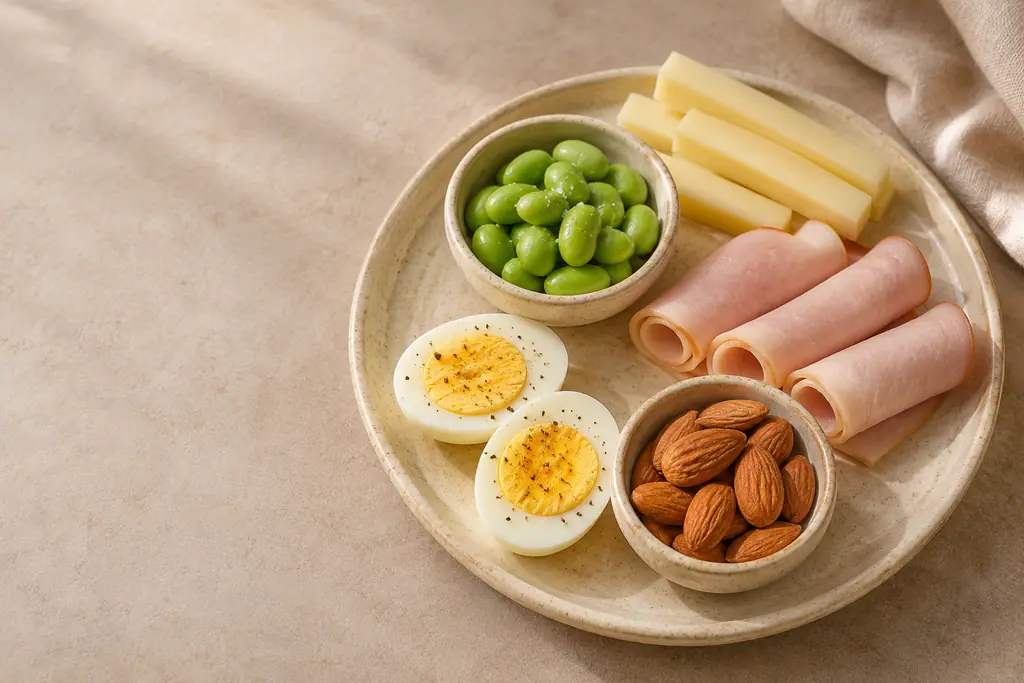
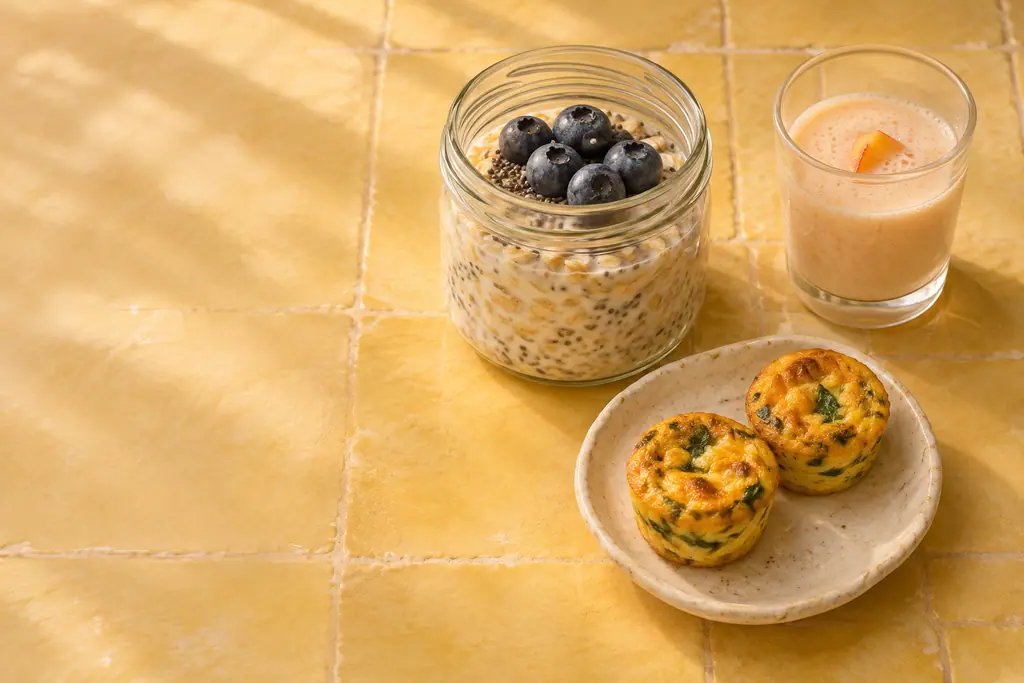
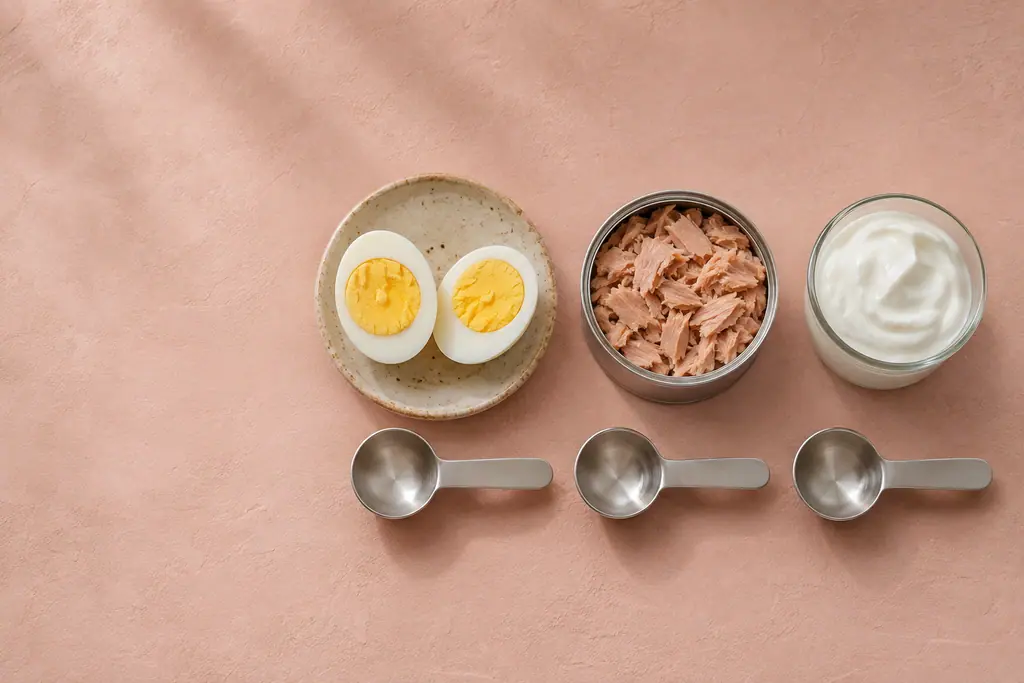
You do not need a spreadsheet to eat well. Divide your reference weight in pounds by 2.2, multiply by 1.2 to 1.6, and split that into four calm meals.
If you have ever read “aim for 1.2 to 1.6 grams per kilogram” and thought, I weigh myself in pounds — why is this a math quiz?, you are in very good company. Clinical nutrition papers write in metric kilograms, U.S. bathroom scales read in pounds, and food labels list a completely different baseline number. Let’s untangle all three in five minutes — or jump straight to our GLP-1 Protein Calculator to let your browser do the math for you.
Step 1: Turn pounds into kilograms
According to NIST conversion tables, 1 pound equals about 0.45 kilograms — which means dividing your weight in pounds by 2.2 gives your weight in kilograms [3].
- 130 lb ÷ 2.2 ≈ 59 kg
- 150 lb ÷ 2.2 ≈ 68 kg
- 170 lb ÷ 2.2 ≈ 77 kg
- 190 lb ÷ 2.2 ≈ 86 kg
That same conversion gives you the pound-based shortcut: 1.2 to 1.6 g/kg is roughly 0.55 to 0.73 grams per pound.
Step 2: Know which range is which
You will see three different protein numbers floating around online. They are not contradicting each other — they measure different things:
- 0.8 g/kg/day (about 0.36 g/lb): The baseline Recommended Dietary Allowance (RDA) for general healthy adults to prevent deficiency, noted in the 2025 joint clinical advisory as currently under review by the National Academies [1]. (The FDA’s Nutrition Facts label uses a flat 50 g Daily Value as a general reference on packaged foods, not a personalized weight-loss target [5].)
- 1.2 to 1.6 g/kg/day (about 0.55 to 0.73 g/lb): The higher range proposed during active weight reduction in the 2025 joint clinical advisory (ACLM, ASN, OMA, TOS) to help preserve muscle and bone mass [1]. The 2026 modified Delphi consensus similarly cites 1.2 to 1.5 g/kg/day during active weight loss [2].
- 80 to 120 g/day: A practical absolute target also offered in the 2025 joint advisory to simplify adherence when gram-per-kilogram formulas feel cumbersome [1].
The 2025 advisory also flags two clear guardrails: adult protein intake should not drop below 0.4 to 0.5 g/kg/day (which risks muscle loss and functional decline), and prolonged intake above 2 g/kg/day should be avoided due to potential adverse health effects [1].
Step 3: Solved examples by reference weight (current vs. goal weight)
Here is the mistake that makes people feel defeated before they even start: multiplying a higher current body weight by 1.6 g/kg can spit out 180+ grams of protein a day — an impossible target when you barely have an appetite.
The 2025 joint clinical advisory addresses this directly: for adults with obesity, using actual body weight can significantly overestimate protein requirements, which is why clinicians often base targets on a corrected (adjusted or ideal) body weight, fat-free mass, or an absolute range like 80 to 120 g/day [1].
Here is how the 1.2 to 1.6 g/kg math looks across common reference or goal weights (rounded to whole grams):
| Reference weight (lb) | Reference weight (kg) | 1.2–1.6 g/kg daily range | Split across 4 mini-meals |
|---|---|---|---|
| 130 lb | 59 kg | 71–95 g / day | ~18–24 g per plate |
| 150 lb | 68 kg | 82–109 g / day | ~20–27 g per plate |
| 170 lb | 77 kg | 93–123 g / day | ~23–31 g per plate |
| 190 lb | 86 kg | 103–138 g / day | ~26–35 g per plate |
Look at the last column: a daily target of 80 to 110 grams turns into four ordinary plates — a smoothie, a cottage cheese bowl, a mini wrap, and a small salmon bowl.
Step 4: Turn your number into real food (no obsessive tracking)
Once you know your approximate per-plate anchor — say, roughly 20 to 28 grams four times a day — you do not need to weigh every almond. Every recipe in our library is calculated directly from USDA FoodData Central [6]. Pairing a Strawberry Protein Smoothie, a Cottage Cheese, Pepitas & Almonds bowl, a Chicken & Avocado Mini Wrap, and a Salmon & Rice Bowl lands right inside a typical daily range cleanly and predictably.
Ready to plug in your own weight (plus an optional goal weight)? Open the Protein calculator — everything calculates locally in your browser, then turns into a 1-day plate plan in one click.
When to ask your care team first
Protein targets are never one-size-fits-all. The NIDDK explains that as your body uses protein, it creates waste products that the kidneys filter from the blood — so some adults with chronic kidney disease (CKD) need moderate, carefully balanced protein limits set with their doctor or a registered dietitian to protect kidney health while avoiding malnutrition [4]. Always confirm your target with your care team if you have kidney disease, diabetes, or are pregnant or breastfeeding [1] [4].
Next steps in your kitchen
- Plug your number into our Protein calculator and turn it straight into four small plates with our free 1-day plan.
- Keep reading: GLP-1 Breakfast Ideas and Protein for Women Over 50.
Try this in your kitchen
Small plates that match this guide
See how four realistic mini-meals add up smoothly toward a daily range — with USDA-calculated protein on every card.
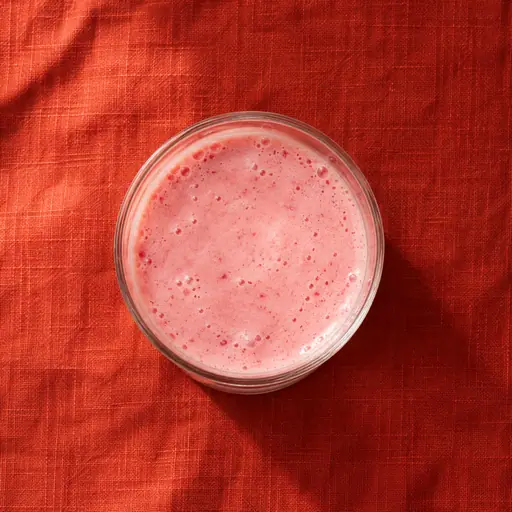
- Low-Volume Strawberry Protein Smoothie
- Salmon & Rice Bowl For the rest of the family: add more rice and a tray of roasted broccoli.
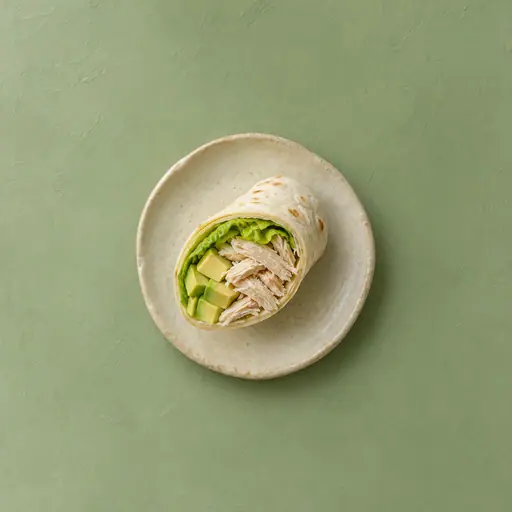
- Chicken & Avocado Mini Wrap For the rest of the family: put out more tortillas, rice, and pico de gallo.
- High-Protein Cottage Cheese, Pepita & Almond Bowl


Macros are calculated by code from USDA FoodData Central.
Common questions
Why does the Nutrition Facts label say 50 g of protein when GLP-1 advisories suggest more?
The FDA's 50 g Daily Value on packaged food labels is a general baseline reference for a standard diet — not an individualized target during active weight loss. The 2025 joint clinical advisory proposes higher intakes (1.2 to 1.6 g/kg/day, or roughly 80 to 120 g/day) during active weight reduction to help protect lean muscle.
Should I calculate protein from my current weight or my goal weight?
The 2025 joint clinical advisory notes that using actual body weight in adults with obesity can significantly overestimate protein needs, so clinicians often calculate from an adjusted or goal weight — or use an absolute range like 80 to 120 g/day. Our free protein calculator lets you add a goal weight so your range stays realistic.
How much protein should I aim for per mini-meal?
Divide your daily target across 4 or 5 small plates. For most adults aiming around 80 to 110 grams a day, that lands comfortably around 20 to 28 grams per mini-meal — far easier to finish than trying to eat 45 grams at once.
Is a higher protein target safe if I have kidney disease?
Not without medical supervision. The NIDDK explains that protein breaks down into waste filtered by the kidneys, so some adults with chronic kidney disease need moderate, carefully balanced protein limits set by their doctor or renal dietitian. Always check with your care team first.
Sources
Every health, nutrition, and food-safety claim in this guide links to a published advisory, peer-reviewed paper, or public agency document.
- Nutritional priorities to support GLP-1 therapy for obesity: A joint advisory from the American College of Lifestyle Medicine, the American Society for Nutrition, the Obesity Medicine Association, and The Obesity Society — The American Journal of Clinical Nutrition / Obesity Pillars (2025)
- Nutritional and lifestyle supportive care recommendations for management of obesity with GLP-1-based therapies: An expert consensus statement using a modified Delphi approach — Obesity Pillars (2026)
- Approximate Conversions from U.S. Customary Measures to Metric — National Institute of Standards and Technology (NIST) (2024)
- Healthy Eating for Adults with Chronic Kidney Disease — National Institute of Diabetes and Digestive and Kidney Diseases (NIDDK, NIH) (2025)
- Daily Value on the Nutrition and Supplement Facts Labels — U.S. Food and Drug Administration (FDA) (2024)
- USDA FoodData Central — USDA Agricultural Research Service (2026)