At a glance
- Clinical trials report constipation in 17% to 24% of GLP-1 participants; NIDDK notes adults generally need 22 to 34 g/day of fiber, added gradually.
- Favor soft, soluble-rich foods first — oats, chia, green kiwifruit, berries, lentils, and warm bean soups — paired with more than 2 liters of daily fluid.
- In an international randomized trial, eating 2 green kiwifruits daily increased complete spontaneous bowel movements by 1.5+ per week and improved abdominal comfort.
- Know NIDDK red-flag symptoms (rectal bleeding, blood in stool, constant abdominal pain, inability to pass gas, vomiting, or fever) and call your doctor promptly.
When digestion is already moving slowly, soft, soaked, and gently cooked fiber beats a giant raw salad every single time.
Constipation is one of the quietest frustrations on a GLP-1 medication. Clinical trials report constipation in 17% to 24% of participants [5], and NIDDK defines it plainly as fewer than three bowel movements a week, hard, dry, or lumpy stools, straining, or feeling like not all stool has passed [2].
When you look up constipation advice online, the standard answer is “eat way more fiber.” On a smaller, slower-moving stomach, suddenly piling on giant raw salads or dry bran cereal often leaves you bloated and uncomfortable. The solution is choosing gentle, moisture-rich fiber foods and stepping them up slowly.
Why texture and moisture matter more than sheer bulk
NIDDK notes that adults generally need 22 to 34 grams of fiber per day depending on age and sex, and specifically advises adding fiber to your diet a little at a time so your body adjusts without painful gas or bloating [1]. MedlinePlus explains why different fiber foods feel so different in your stomach [4]:
- Soluble fiber (found in oats, chia seeds, lentils, beans, and soft fruit) dissolves in water into a smooth gel that softens stool gently [4].
- Insoluble fiber (found in wheat bran, whole-grain skins, and tough raw vegetables) adds firmer bulk [4].
Both kinds help, and both require plenty of liquid — NIDDK highlights water and clear soups as key helpers that soften stool and help fiber move [1], while the 2026 modified Delphi consensus calls for more than 2 liters of fluid per day during GLP-1 therapy [6]. (For fluid-timing habits that do not crowd out protein, see our companion Fiber and Fluids guide.)
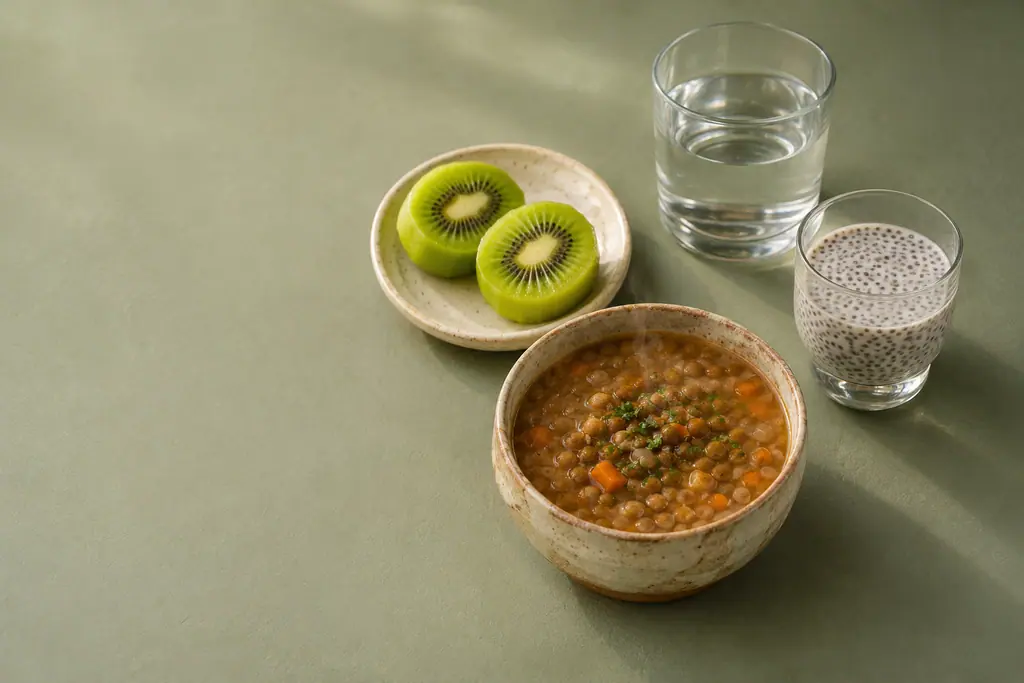
Think wet and tender: soaked chia, overnight oats, peeled green kiwifruit, and warm lentil or white-bean soups carry water right inside the bowl.
Seven gentle high-fiber foods that sit softly
Instead of forcing tough raw vegetables, build one or two of these tender, high-moisture foods into your day:
| Gentle food | Why it feels kinder | Real small-plate pairing (USDA fiber + protein) |
|---|---|---|
| Green kiwifruit | In an international randomized crossover trial (184 adults), 2 peeled green kiwifruits daily increased complete spontaneous bowel movements by 1.53/week in functional constipation and 1.73/week in IBS-C while improving overall abdominal comfort with no significant adverse events [3]. | Slice 1 to 2 peeled kiwifruits beside cottage cheese or Greek yogurt |
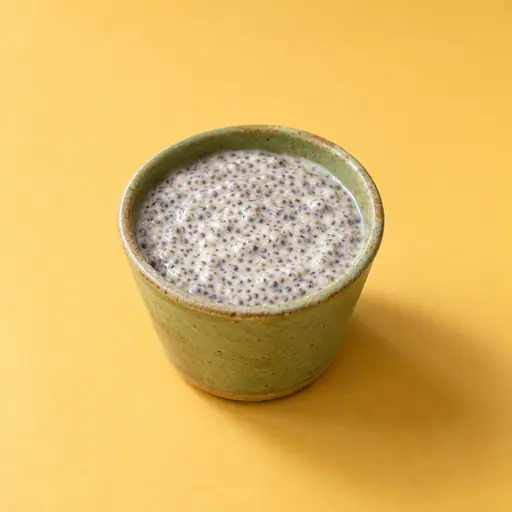
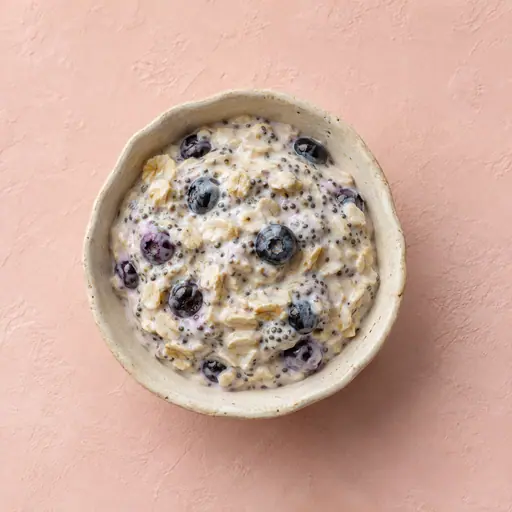
| Soaked oats & chia | Pre-soaked overnight in milk or yogurt so the fiber is already hydrated before you eat [1] [4] | High-Protein Blueberry Chia Overnight Oats (No Powder) (7 g fiber, 21 g protein) or High-Protein Maple Chia Pudding (8 g fiber, 19 g protein) |
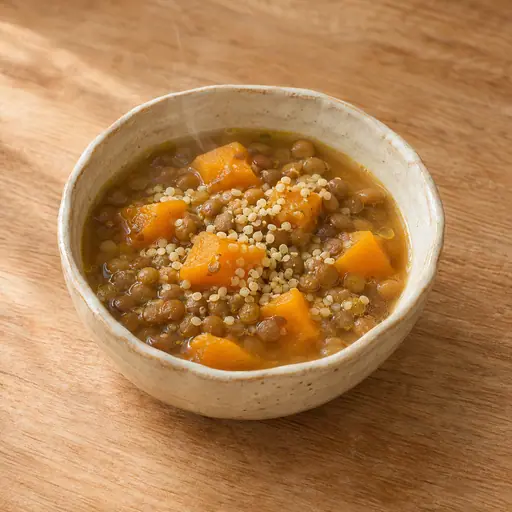
| Warm lentil soups | Soft, simmered legumes deliver protein, fiber, and liquid in one mug [1] | High-Fiber Lentil & Pea Soup Cup (14 g fiber, 15 g protein) or Butternut & Lentil Soup (16 g fiber, 18 g protein) |
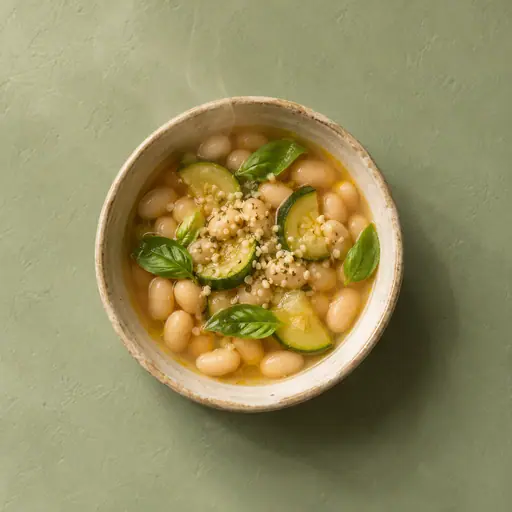
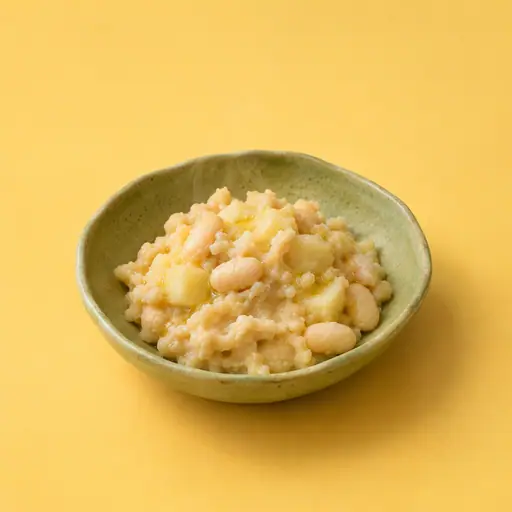
| Creamy white beans | Tender mashed or brothy beans are easier to chew and digest than crisp raw legumes [1] | White Bean & Basil Soup (11 g fiber, 19 g protein) or Creamy White Bean & Potato Bowl (12 g fiber, 18 g protein) |
| Soft berries & pears | NIDDK specifically lists berries, apples with skin, oranges, and pears among helpful whole fruits [1] | Stir thawed frozen blueberries or raspberries into plain yogurt |
| Cooked tender veggies | Steamed carrots, green peas, and soft squash sit much lighter than raw cruciferous bowls [1] | Add a small scoop alongside your dinner protein |
One important pause: The 2025 joint clinical advisory notes that because high fiber slows gastric emptying, dialing back heavy fiber foods temporarily on an acutely nauseous day can calm your stomach — then ease back in once nausea settles [5] (see our Queasy-Day Food Guide).
What to limit while things are backed up
NIDDK notes that low-fiber foods can worsen constipation when they crowd out higher-fiber meals [1]:
- Fast food and greasy fried meals
- Chips, pretzels, and white-flour snacks
- Heavy processed meats and frozen prepared meals with little produce [1]
Regular movement helps too — NIDDK lists low physical activity as a common contributor to constipation [2]. Even a 10-to-15-minute walk after a meal gently nudges digestion along.
Supplements and red-flag symptoms: when to call your doctor
Because smaller plates can make reaching 25+ grams of fiber tricky from food alone, the 2026 modified Delphi consensus notes that fiber should be individualized to tolerance and that a gentle fiber supplement (such as psyllium) can be discussed with your care team when food alone is not enough [6].
Do not try to tough out serious symptoms. NIDDK advises seeing a doctor if constipation does not improve with self-care — and seeing a doctor right away if constipation comes with any of these warning signs [2]:
- Bleeding from your rectum or blood in your stool
- Constant pain in your abdomen
- Inability to pass gas
- Vomiting or fever
- Lower back pain or unexplained weight loss [2]
Ready to pair gentle fiber with steady daily protein? Check your protein range in our Protein calculator and generate a balanced day with one-tap gentle swaps in our free 1-day plan.
Try this in your kitchen
Small plates that match this guide
Six soft, warm or soaked high-fiber plates from our library — each one delivers 7 to 16 grams of USDA-calculated fiber alongside steady protein.
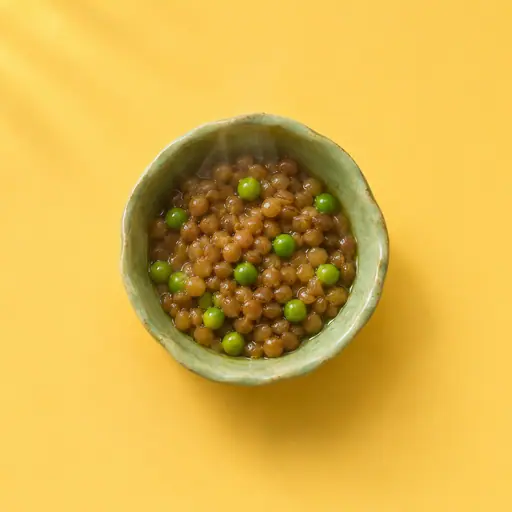
- High-Fiber Lentil & Pea Soup Cup For the rest of the family: add warm bread and a green salad.
- Butternut & Lentil Soup For the rest of the family: make a larger pot and add a plate of toast and sliced apples.
- White Bean & Basil Soup For the rest of the family: make four bowls and put out warm bread and a chopped salad.
- Creamy White Bean & Potato Bowl For the rest of the family: serve with steamed green beans and a basket of bread.
- High-Protein Maple Chia Pudding
- High-Protein Blueberry Chia Overnight Oats (No Powder)
Macros are calculated by code from USDA FoodData Central.
Common questions
Why do raw salads and dry bran sometimes make GLP-1 constipation feel worse?
Both NIDDK and MedlinePlus warn that jumping up in fiber too quickly causes gas, bloating, and cramps — especially if you do not drink enough liquid alongside it. Bulky raw crucifers and dry bran can sit heavily in a slow-moving stomach, whereas soaked oats, chia, warm lentil soups, and soft fruits tend to go down much more comfortably.
Does green kiwifruit really help with constipation?
In a 2023 international multicenter randomized controlled trial of 184 adults (Gearry et al., American Journal of Gastroenterology), consuming 2 peeled green kiwifruits daily for 4 weeks produced a clinically meaningful increase of at least 1.5 complete spontaneous bowel movements per week in people with functional constipation and IBS-C, and significantly improved overall gastrointestinal comfort with no significant adverse events.
How much fiber and liquid should I aim for each day?
Depending on age and sex, NIDDK notes adults need 22 to 34 grams of fiber daily, built up a little at a time. Because fiber needs liquid to soften stool, the 2026 modified Delphi consensus recommends more than 2 liters of fluid per day during GLP-1 therapy — including water, tea, and clear or brothy soups.
When should I call a doctor about constipation on a GLP-1?
NIDDK advises seeing a doctor if constipation does not improve with self-care, and seeking care right away if constipation comes with rectal bleeding, blood in your stool, constant abdominal pain, inability to pass gas, vomiting, fever, lower back pain, or unexplained weight loss.
Sources
Every health, nutrition, and food-safety claim in this guide links to a published advisory, peer-reviewed paper, or public agency document.
- Eating, Diet, & Nutrition for Constipation — National Institute of Diabetes and Digestive and Kidney Diseases (NIDDK, NIH) (2018)
- Symptoms & Causes of Constipation — National Institute of Diabetes and Digestive and Kidney Diseases (NIDDK, NIH) (2018)
- Consumption of 2 Green Kiwifruits Daily Improves Constipation and Abdominal Comfort—Results of an International Multicenter Randomized Controlled Trial — The American Journal of Gastroenterology (via PubMed, PMID 36537785) (2023)
- Dietary Fiber — MedlinePlus, National Library of Medicine (NIH) (2024)
- Nutritional priorities to support GLP-1 therapy for obesity: A joint advisory from the American College of Lifestyle Medicine, the American Society for Nutrition, the Obesity Medicine Association, and The Obesity Society — The American Journal of Clinical Nutrition / Obesity Pillars (2025)
- Nutritional and lifestyle supportive care recommendations for management of obesity with GLP-1-based therapies: An expert consensus statement using a modified Delphi approach — Obesity Pillars (2026)