At a glance
- TSA allows solid foods (nuts, crackers, sandwiches, solid cheese, hard-boiled eggs, dry snacks) in carry-on bags, while yogurt, hummus, and nut butters follow the 3.4 oz (100 mL) 3-1-1 rule.
- Gel ice packs must be frozen solid at TSA screening unless they are medically necessary (in which case notify the TSA officer at the checkpoint).
- Commercial airplane cabins run at 10% to 20% humidity (CDC Yellow Book), making an empty refillable water bottle essential once you pass security.
- On road trips, respect the USDA FSIS Danger Zone clock: never leave perishable snacks uncooled over 2 hours, or 1 hour above 90°F in a warm car.
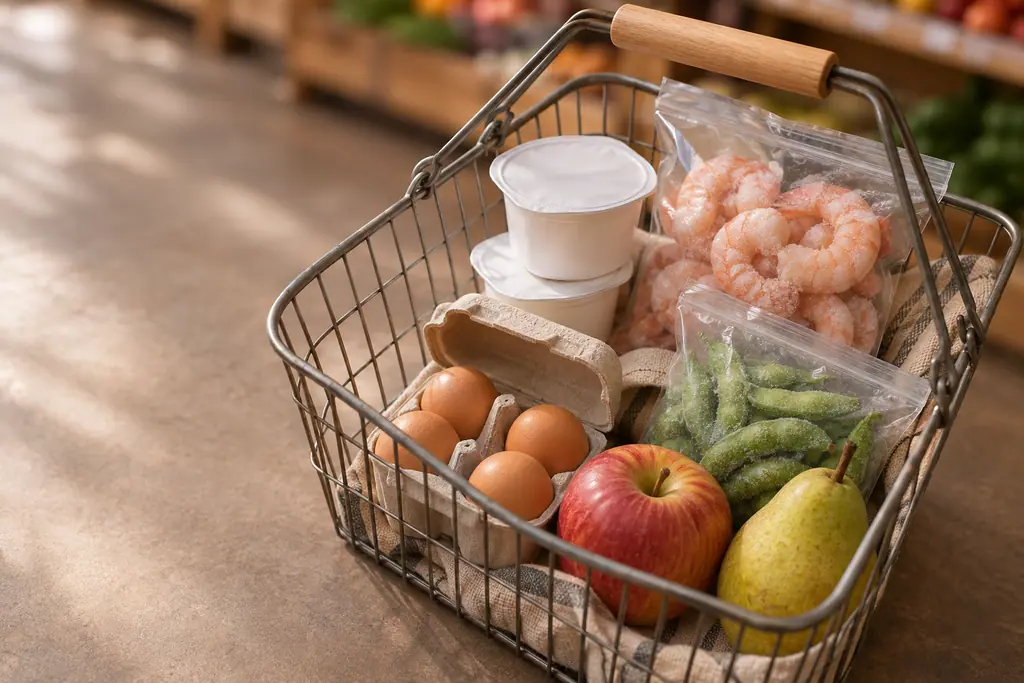
Airport food courts and highway rest stops are built around grease and giant portions. A zip pouch of solid, shelf-stable protein in your tote turns travel days calm.
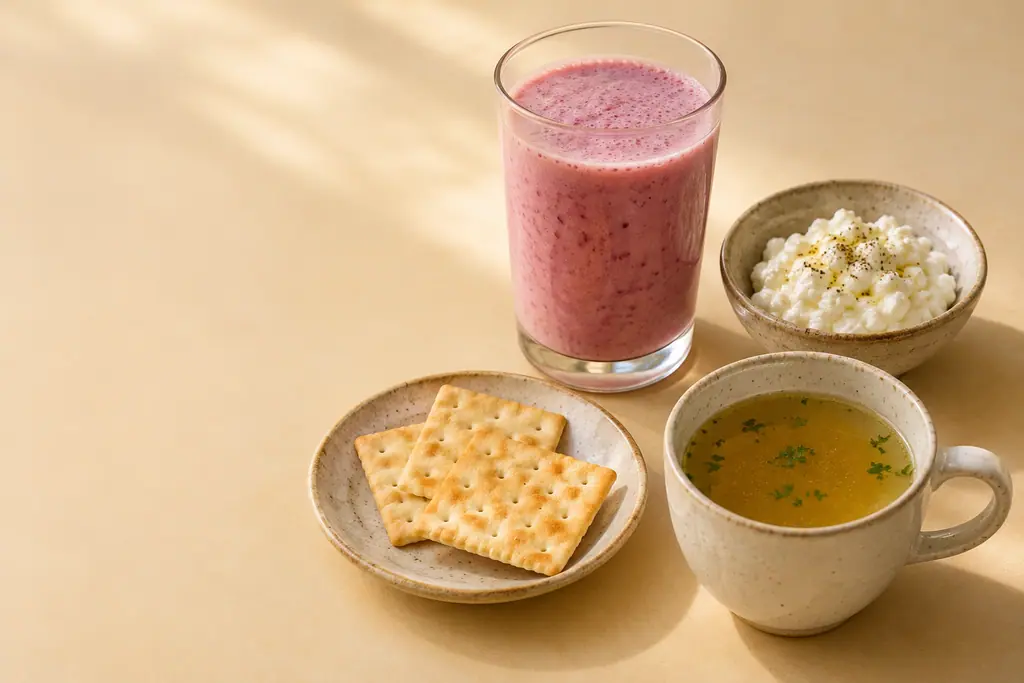
Travel days throw every eating cue off balance. You leave home early, hit a flight delay or highway traffic, smell fried pretzels at Gate B14, and realize six hours have passed since your last bite. On a GLP-1 appetite, letting your stomach stay completely empty while bouncing between terminals or rest stops almost always invites nausea, headaches, or sluggish digestion by the time you reach your hotel.
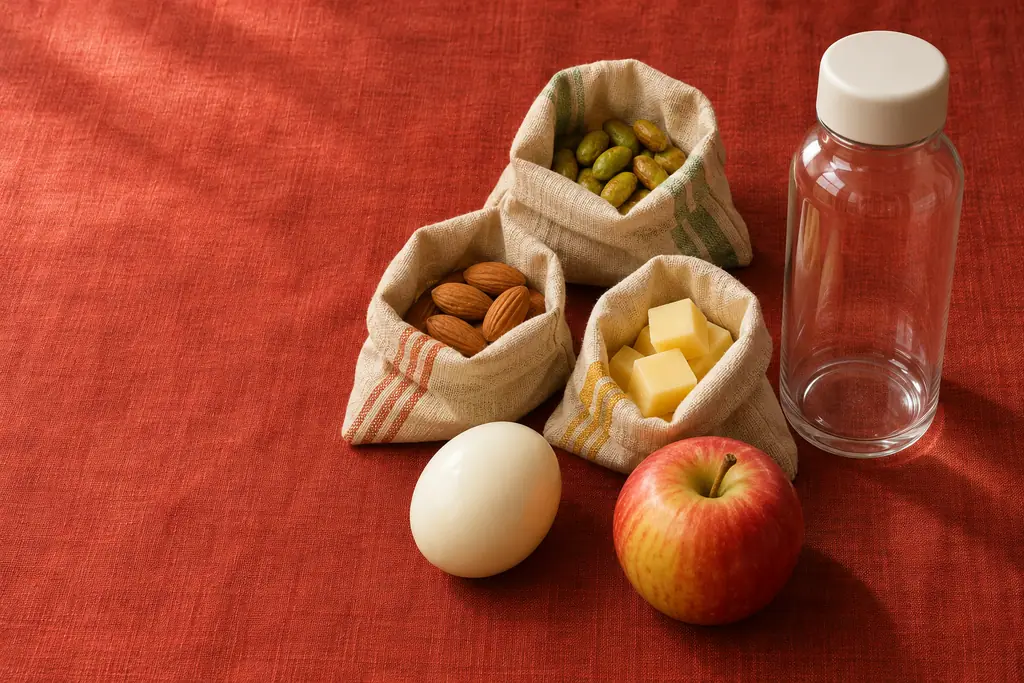
The simplest insurance policy fits inside a single gallon zip bag in your tote or backpack: solid, shelf-stable protein snacks that breeze through airport security, paired with a clear plan for cabin hydration and safe road-trip cooling.
What food can you actually bring through TSA security?
Airport snack confusion usually comes down to one line: solid food vs. spreadable or pourable food. Every rule below comes directly from current Transportation Security Administration (TSA) screening pages [1] [2] [3] [4]:
| Travel snack or gear | Carry-on rule (TSA) | Practical packing move |
|---|---|---|
| Solid foods (nuts, seeds, crackers, sandwiches, roasted beans, dry bars, solid cheese, hard-boiled eggs) | Yes — allowed in carry-on and checked bags [1] [4] | Pack in one tidy clear pouch; TSA officers may ask you to place cluttered food bags in a separate X-ray bin [1] |
| Spreads, dips & creamy dairy (Greek yogurt, cottage/creamy cheese, hummus, peanut/almond butter, ready-to-drink shakes) | 3-1-1 rule: containers 3.4 oz (100 mL) or less inside one quart-sized clear bag [2] [4] | Bring single-serve nut-butter squeeze packs under 3.4 oz, or buy chilled yogurt cups after security |
| Canned foods (pull-top tuna or chicken cans) | Special instructions: may trigger extra screening or 3-1-1 issues; TSA suggests checked bags [4] | Swap bulky cans for dry solid snacks in carry-on, or pack cans inside checked luggage |
| Gel ice packs | Frozen solid at screening (if slushy or partially melted, must meet 3-1-1) [3] | Note: medically necessary gel ice packs are allowed in reasonable quantities regardless of melted state — notify the TSA officer [3] |
| Protein powders | Yes — powders over 12 oz (350 mL) must go in a separate bin and may face extra screening [4] | If you pack powder at all, bring small single-serve sachets instead of a large tub |
Always remember TSA’s standing reminder: the final screening decision rests with the TSA officer at the checkpoint, so keeping your snack pouch tidy and easy to lift out saves time for everyone [1] [4].
Build a purse or carry-on kit that needs zero refrigeration
For flights, train rides, or long errand days where you will not see a fridge for eight hours, lean on room-temperature staples that deliver real protein without greasy odors. Using our USDA FoodData Central ingredient dataset for reference:
- Crunchy plant protein: Single-serve bags of unsalted roasted pepitas (pumpkin seeds), raw almonds, or roasted edamame travel cleanly and slip easily into any handbag.
- Crackers + compact protein: Plain saltines or unsalted brown rice cakes soothe a mildly queasy stomach and pair cleanly with a small 1 oz piece of solid sharp cheddar (6.8 g USDA protein) or a travel-sized peanut butter squeeze pack (2 tablespoons provides 7.1 g USDA protein).
- Solid pre-flight mini-plates: Before boarding or on a short hop (within safe time windows), a sandwich bag with 2 peeled hard-boiled eggs (12.6 g USDA protein) and crackers, or a half-wrap packed tightly in parchment, gives calm savory protein without heavy sauces.
- Hotel-room assembly staples: Once you land and reach a hotel mini-fridge or corner grocery store, shelf-stable chicken or light tuna pouches (21.5 to 21.7 g USDA protein per 3 oz drained), single-serve plain Greek yogurt cups (17.3 g protein), or single-serve cottage cheese cups turn a hotel desk into a 5-minute kitchen.
Looking for exact zero-cook combinations you can pack for a road-trip cooler or assemble in a hotel room? Try these six recipes from our library (16 to 26 g USDA protein each):
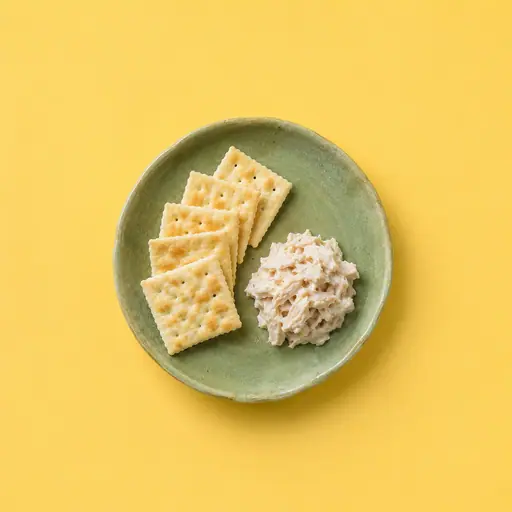
- Shredded Chicken & Saltines (Nausea-Safe Snack) — 26 g protein, 6 minutes, cold
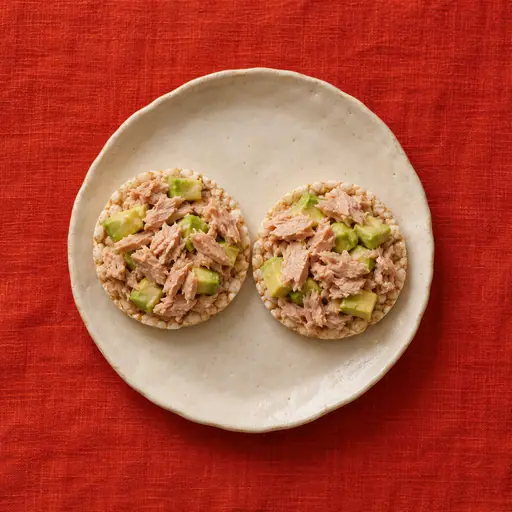
- Tuna & Avocado Rice Cakes — 24 g protein, 3 g fiber, 5 minutes, room temp
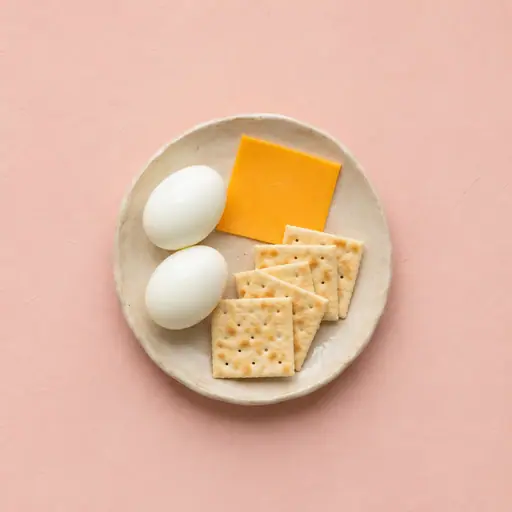
- Egg & Cheddar Snack Plate — 19 g protein, 4 minutes, cold
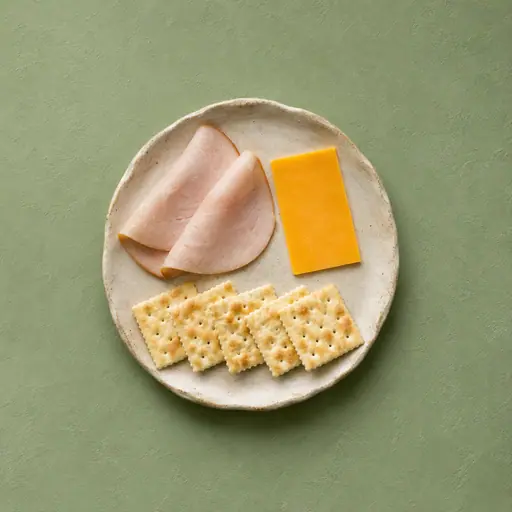
- Turkey, Cheddar & Crackers — 18 g protein, 4 minutes, cold
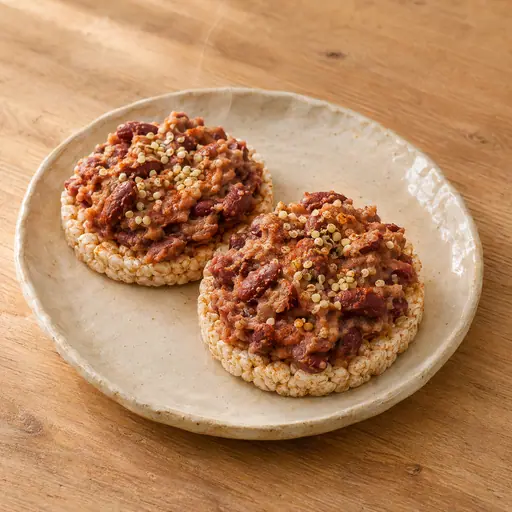
- Kidney Bean & Paprika Rice Cakes — 19 g protein, 13 g fiber, 5 minutes, room temp (gentle plant fiber for travel constipation!)
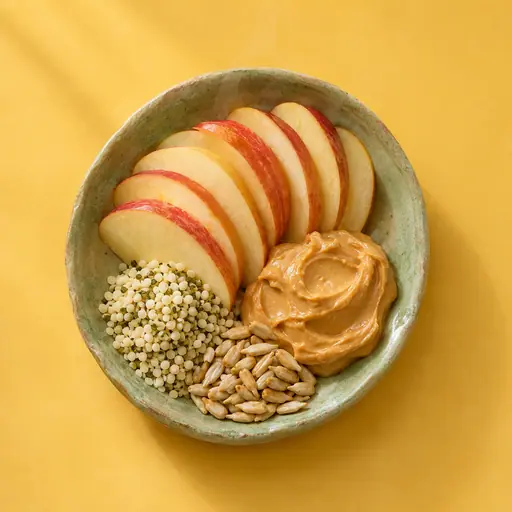
- Apple, Peanut Butter & Hemp Bites — 16 g protein, 5 g fiber, 5 minutes, room temp
How do you stay hydrated on flights without feeling bloated?
Flying quietly drains fluids faster than most travelers expect. According to the CDC Yellow Book, commercial aircraft cabins are typically pressurized to the equivalent of 6,000 to 8,000 feet above sea level, and cabin air is typically very dry — usually just 10% to 20% humidity, which dries out the mucous membranes of the upper airways and eyes [5].
Add in smaller meals (which means less water from food) and the tendency to avoid drinking so you do not have to climb out of a window seat, and mild dehydration sets in fast. The 2026 modified Delphi expert consensus emphasizes more than 2 liters of fluid per day during GLP-1 therapy [7]. Four small habits make in-flight hydration realistic:
- Carry an empty refillable water bottle through TSA and fill it at a filtered water station right after screening.
- Take steady small sips every 20 to 30 minutes instead of chugging a whole bottle at once (less fullness, less urgency).
- Go easy on alcohol and bubbly sodas at altitude: Cabin pressure changes can already expand gas in enclosed spaces like the abdomen (the CDC Yellow Book notes pressure-related expansion during ascent [5]), so still water or warm decaf tea usually sits far calmer than fizzy drinks.
- Stand and stretch periodically on longer flights: CDC also highlights leg movement and walking the aisle during extended flights to support circulation — which gently helps sluggish travel digestion too [5].
An empty refillable water bottle and a pouch of solid snacks turn even a three-hour tarmac delay from a nausea trigger into a non-event.
Keep road-trip snacks out of the USDA Danger Zone
Driving lets you bring a cooler with Greek yogurt cups, cottage cheese, turkey roll-ups, and hard-boiled eggs — just watch car temperatures carefully. USDA FSIS warns that bacteria multiply fastest in the Danger Zone (40°F to 140°F), doubling in as little as 20 minutes [6].
- Never leave perishable snacks uncooled over 2 hours — and cut that window to 1 hour if the ambient temperature is above 90°F, which happens fast inside a sunlit car [6].
- Keep your cooler in the air-conditioned passenger cabin instead of a hot trunk, packed tightly with frozen gel packs or ice to stay at 40°F or below [6].
- Pack shelf-stable backups in the glove compartment or center console (nuts, seeds, saltines, dried fruit) so you never feel pressured to eat perishable dairy that warmed up during a long stop.
Next steps in your kitchen
- Pack everyday desk-and-tote picks from High-Protein GLP-1 Snacks and GLP-1 Friendly Work Lunches, or prep calm stomach backups with What to Eat When You Feel Nauseous on a GLP-1.
- Check your daily protein range in our Protein calculator and map out your travel-day plates in our free 1-day plan.
Try this in your kitchen
Small plates that match this guide
Six no-cook, travel- and hotel-friendly small plates from our library — quick to pack before you leave or assemble in a hotel room with 16 to 26 g of USDA protein.
- Shredded Chicken & Saltines (Nausea-Safe Snack)
- Tuna & Avocado Rice Cakes
- Turkey, Cheddar & Crackers
- Egg & Cheddar Snack Plate
- Apple, Peanut Butter & Hemp Bites
- Kidney Bean & Paprika Rice Cakes
Macros are calculated by code from USDA FoodData Central.
Common questions
Can I bring Greek yogurt, cottage cheese, peanut butter, or hummus through TSA security?
Only in travel-sized containers of 3.4 ounces (100 mL) or less that fit inside your single quart-sized liquids bag. TSA classifies yogurt, creamy cheese, hummus, and peanut butter under the 3-1-1 liquids, gels, creams, and pastes rule. Larger tubs belong in checked baggage or can be picked up at a post-security shop.
Can I pack a gel ice pack with my travel snacks in a carry-on bag?
Yes, with one clear TSA rule: standard gel ice packs must be completely frozen solid when presented at screening. If they are partially melted or slushy, they must meet the 3.4 oz 3-1-1 rule. TSA notes an exception for medically necessary gel ice packs in reasonable quantities regardless of physical state — simply let the TSA officer know at the checkpoint.
Are pull-top tuna or chicken cans allowed in my carry-on?
TSA lists canned foods as carry-on 'Yes (Special Instructions)' because metal cans can trigger extra X-ray screening or run into 3-1-1 liquid rules, and recommends packing cans in checked bags. Flat, tear-open foil pouches or solid dry protein snacks clear checkpoints with far less friction.
Why do I feel so thirsty, fatigued, or constipated after flying on a GLP-1?
The CDC Yellow Book notes that commercial airplane cabins are typically pressurized to the equivalent of 6,000 to 8,000 feet and carry very dry air — usually just 10% to 20% relative humidity. Pairing dry cabin air with smaller meals and less water makes dehydration creep up quickly; bring an empty bottle through security and sip steadily throughout the flight.
What are the best shelf-stable GLP-1 snacks for a purse or carry-on with zero refrigeration?
Solid snacks that survive warm cabins and long delays cleanly include unsalted nuts or pepitas, roasted edamame or chickpeas, plain saltines or brown rice cakes paired with single-serve nut-butter squeeze packs (under 3.4 oz for flights), solid cheese sticks for short hops, and tear-open chicken or light tuna pouches.
Sources
Every health, nutrition, and food-safety claim in this guide links to a published advisory, peer-reviewed paper, or public agency document.
- What Can I Bring? Solid Foods — Transportation Security Administration (TSA) (2024)
- Liquids, Aerosols, and Gels Rule — Transportation Security Administration (TSA) (2024)
- What Can I Bring? Gel Ice Packs — Transportation Security Administration (TSA) (2022)
- What Can I Bring? Food Directory — Transportation Security Administration (TSA) (2024)
- Air Travel — CDC Yellow Book — Centers for Disease Control and Prevention (CDC) (2025)
- 'Danger Zone' (40°F - 140°F) — USDA Food Safety and Inspection Service (FSIS) (2024)
- Nutritional and lifestyle supportive care recommendations for management of obesity with GLP-1-based therapies: An expert consensus statement using a modified Delphi approach — Obesity Pillars (2026)