At a glance
- Cold, low-odor lunches (wraps, caprese chicken bowls, bean salads, tofu quinoa cups) skip the office microwave and stay appealing on sensitive days.
- Follow the USDA FSIS 2-hour Danger Zone rule (40°F to 140°F; 1 hour above 90°F) by packing an insulated bag with at least two cold sources.
- If you store your insulated lunch bag in an office fridge, USDA FSIS advises leaving the lid or bag open so cold air circulates around your food.
- Keep a 5-item non-perishable desk backup kit for surprise long meetings so an empty stomach never spirals into afternoon nausea.
The best work lunch on a GLP-1 needs zero microwave line, carries zero breakroom smell, and splits cleanly into two calm mini-breaks if meetings run long.
Workdays are where GLP-1 eating plans most often wobble. Morning meetings run straight through noon, the breakroom microwave smells like three coworkers’ leftovers at once, and ordering takeout leaves you staring at a giant container you can barely dent. Then 3 p.m. arrives, your stomach has been empty for six hours, and mild nausea creeps in right before your commute home.
The fix is surprisingly unglamorous: cold, low-odor mini-lunches packed safely in a small insulated bag, backed up by a five-item desk drawer kit. No microwave queue, no strong smells, and portion sizes you can actually finish — or split into two calm sittings across the afternoon.
Why do cold, portable mini-lunches work so well at work?
The 2025 joint clinical advisory encourages eating small, nutrient-dense, protein-first meals every 3 to 4 hours rather than skipping midday food and trying to make up for it at dinner [5]. Cold lunches solve three workplace friction points at once:
- Zero cooking odors: Chilled wraps, bean cups, and shredded poultry plates produce almost no steam or smell — protecting both your own stomach and office etiquette.
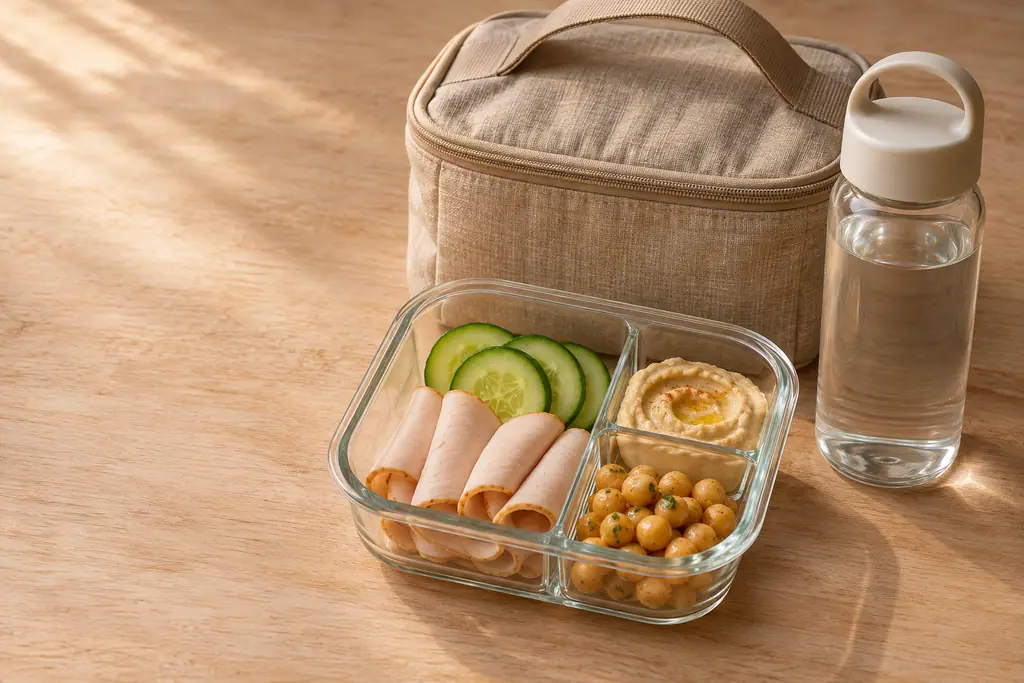
- Built-in portion pacing: A compact 1-to-2-cup container lets you eat half at 12:15 p.m. and return it cleanly to your fridge or ice-packed bag for 2:30 p.m. if fullness arrives early.
- Fast 5-minute morning packing: Every lunch below requires zero stove time and uses staples from our No-Cook High-Protein Meals guide.
Five cold, low-odor work lunch combinations from our library
Every lunch below is 100% no-cook, skips strong fish odors for open offices, and carries USDA-calculated protein and fiber from our recipe library [6]:
| Workday vibe | Recipe combination | USDA protein & fiber | Pack time | Smart packing move |
|---|---|---|---|---|
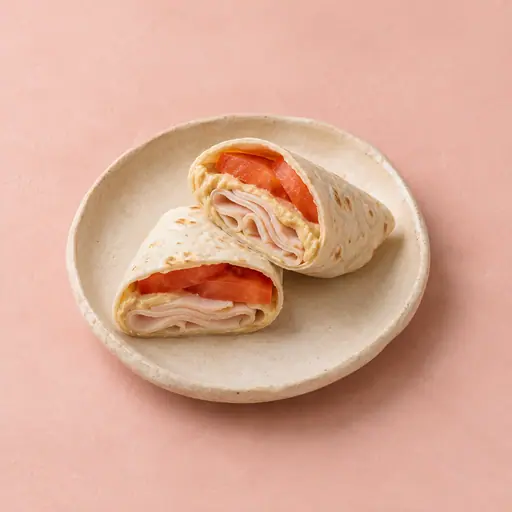
| 1. Classic deli wrap (fast & familiar) | Turkey & Hummus Mini Wrap | 24 g protein · 4 g fiber | 5 min | Wrap tightly in parchment, cut in half so you can eat one half at noon and the second at 3 p.m. |
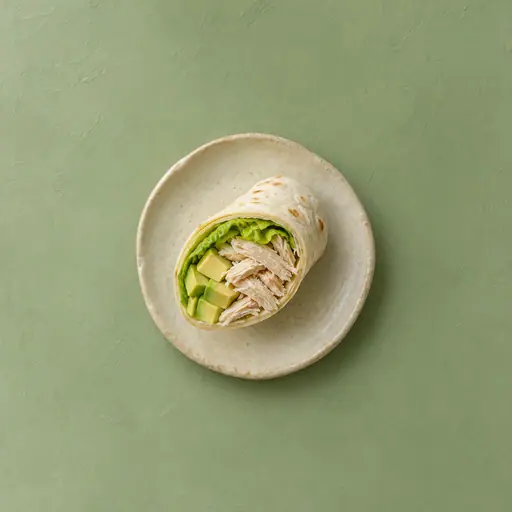
| 2. Highest-protein wrap | Chicken & Avocado Mini Wrap | 28 g protein · 4 g fiber | 6 min | Tuck romaine between tortilla and chicken so the wrap stays crisp |
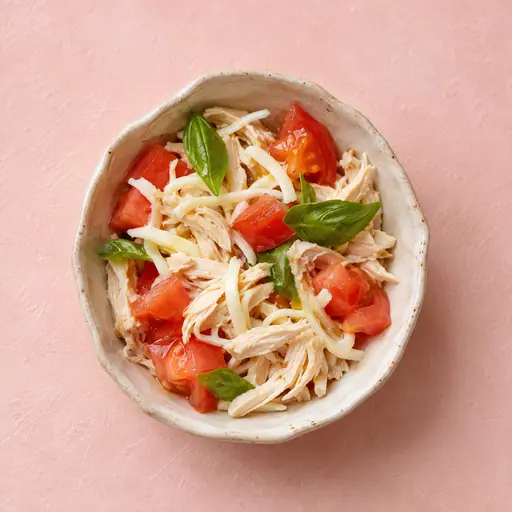
| 3. Fresh cold bowl (no bread) | No-Cook Rotisserie Chicken Caprese Bowl | 27 g protein · 1 g fiber | 6 min | Keep olive oil and basil in a tiny side cup until lunchtime |
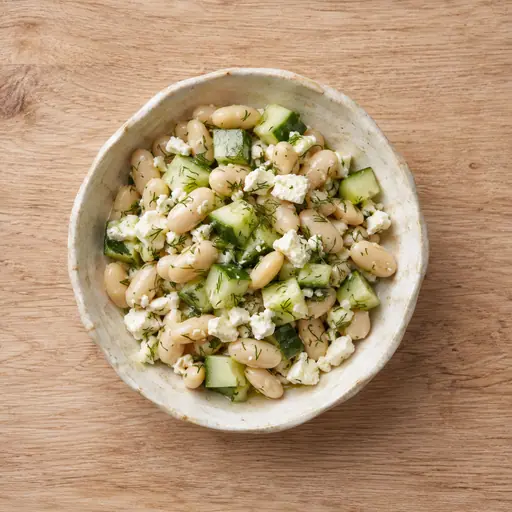
| 4. Plant-forward fiber boost | White Bean, Cucumber & Feta Salad | 18 g protein · 9 g fiber | 8 min | Naturally gentle on digestion and tastes even better after chilling overnight |
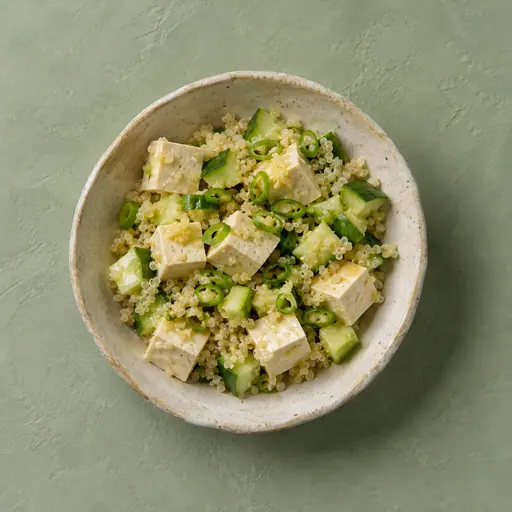
| 5. Crisp plant-protein cup | Tofu, Cucumber & Quinoa Salad | 21 g protein · 4 g fiber | 8 min | Mild flavor, zero meat odor, holds texture cleanly in a chilled container |
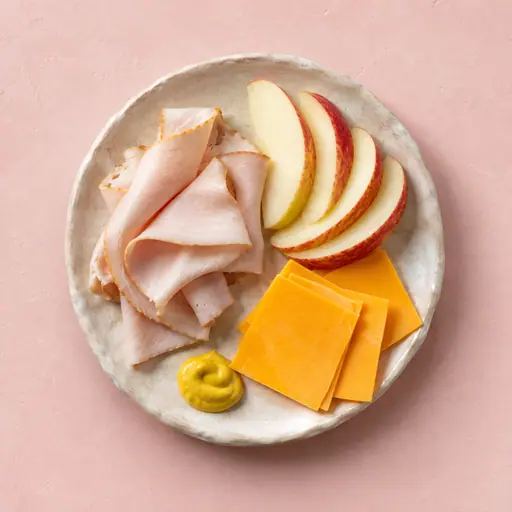
Need an even faster snack-style lunch on back-to-back call days? Pack Apple, Turkey & Cheddar Plate (19 g protein, 2 g fiber, 5 minutes) in a divided bento container so you can graze calmly between emails [6].
How do you pack cold lunches safely under the USDA 2-hour rule?
Perishable proteins — shredded chicken, deli turkey, hard-boiled eggs, yogurt, cottage cheese, and cut salads — sit right in the safety crosshairs on a warm commute or busy desk. USDA Food Safety and Inspection Service (FSIS) lays out clear, practical rules for keeping bag lunches out of the “Danger Zone” (40°F to 140°F), where harmful bacteria can double in as little as 20 minutes [1] [2]:
- Respect the 2-hour (and 1-hour) clock: Never leave perishable lunch items out of refrigeration for more than 2 hours — or 1 hour if the surrounding temperature is above 90°F (such as a parked car in summer or an uncooled commute) [2].
- Use an insulated bag + two cold sources: Skip brown paper bags. USDA FSIS recommends packing perishable items in an insulated lunch bag with at least two cold sources — either two frozen gel packs (at least 5×3 inches each) or one frozen gel pack paired with a frozen water bottle or frozen juice box — placed on top and bottom of your food containers [1].
- Chill cooked items the night before: Prepare cooked chicken or quinoa ahead in shallow containers so everything starts cold (40°F or below) before entering your bag [1].
- Open the bag in the office fridge: If your workplace has a refrigerator, move perishable items in as soon as you arrive — and if you put the whole insulated bag inside, leave the lid or zipper open so cold refrigerator air can actually reach your containers [1].
- Packing hot soup instead? Preheat an insulated thermal jar with boiling water for a few minutes, dump the water, pour in piping-hot soup (140°F or above), and keep the lid closed until lunch [1]. When reheating leftovers in an office microwave, cover the dish and heat to at least 165°F [1] [2].
Keep home fridge windows in mind when prepping work lunches: FoodSafety.gov lists 3 to 4 days for cooked chicken or prepared salads, 3 to 5 days for opened deli turkey, and 1 week for hard-boiled eggs at 40°F or below [3].
What belongs in a 5-item office desk kit?
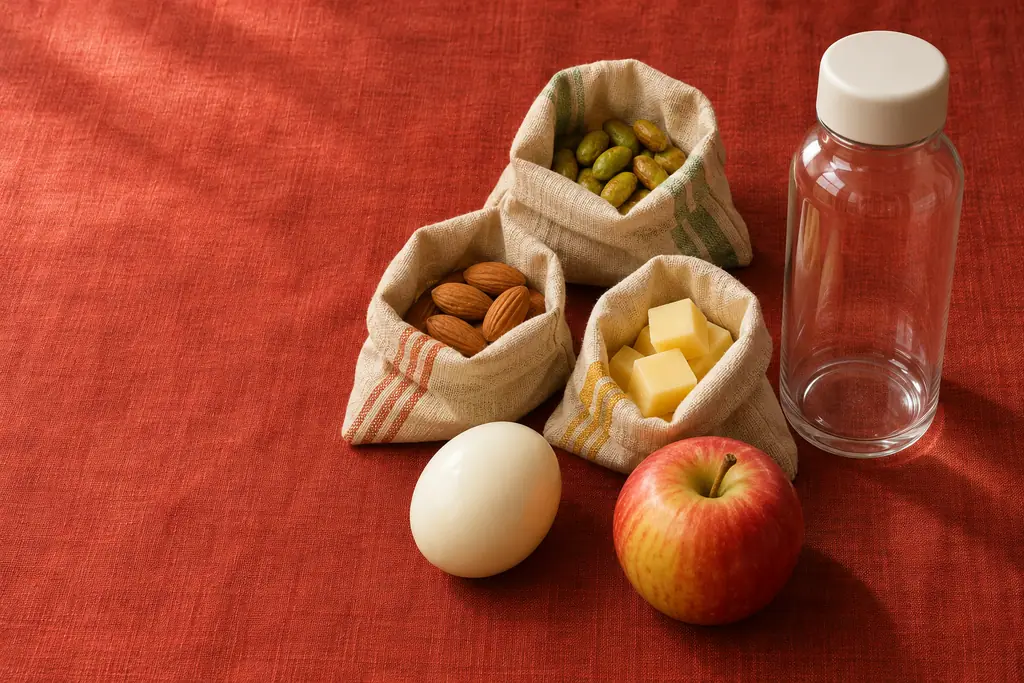
Even the best intentions fail on days you forget your lunch bag on the kitchen counter. USDA FSIS highlights several everyday foods that stay safe without refrigeration — including canned or pouch meat and fish, crackers, peanut butter, breads, hard cheese, mustard, and whole fruits [1]. Keep a quiet five-item kit in your desk drawer or work tote:
- Shelf-stable chicken breast pouches (or pull-top cans): Milder smell than tuna in an open office — drain and pair with crackers for a 20+ gram emergency lunch.
- Plain saltines or unsalted brown rice cakes: Easy crunch that doubles as a calm stomach backup if sudden nausea arrives mid-afternoon.
- Single-serve roasted nuts, pepitas, or unsalted peanut butter packets: Compact protein and healthy fat with zero prep.
- Mild herbal tea bags (ginger or chamomile): Warm afternoon hydration without late-day caffeine.
- A dedicated refillable water bottle: Keeping water at arm’s reach makes steady sipping between meetings automatic.
Keep sodium steady on convenience workdays
Deli turkey, rotisserie chicken, feta, and canned goods make workdays effortless, so it helps to glance at the Nutrition Facts label once when shopping. The FDA notes that over 70% of U.S. dietary sodium comes from packaged and prepared foods, and sets the Daily Value at less than 2,300 mg per day [4]. Choosing lower-sodium deli turkey, rinsing canned beans under cold water before packing salads, and rotating poultry wrap days with white bean, tofu, or yogurt bowls keeps sodium balanced — and aligns with the 2025 clinical advisory’s guidance to keep processed meats in moderation [4] [5].
Next steps in your kitchen
- Batch-prep two cold lunch bases twice a week with our Small-Portion GLP-1 Meal Prep guide, or add afternoon bridges from High-Protein GLP-1 Snacks.
- Check your daily protein target in our Protein calculator and assemble a full workday with an automatic grocery list in our free 1-day plan.
Try this in your kitchen
Small plates that match this guide
Six 100% no-cook, desk-ready lunches from our library — each packs in 5 to 8 minutes with 18 to 28 grams of USDA-calculated protein.
- Turkey & Hummus Mini Wrap For the rest of the family: add a side of corn and larger wraps.
- No-Cook Rotisserie Chicken Caprese Bowl
- White Bean, Cucumber & Feta Salad
- Chicken & Avocado Mini Wrap For the rest of the family: put out more tortillas, rice, and pico de gallo.
- Tofu, Cucumber & Quinoa Salad
- Apple, Turkey & Cheddar Plate
Macros are calculated by code from USDA FoodData Central.
Common questions
Why are cold work lunches often easier on a GLP-1 than reheated leftovers?
Microwaving hot meat, fish, or broccoli releases steam and strong aromas that can trigger nausea in a small breakroom — and waiting for a shared microwave cuts into short breaks. Cold wraps, crisp bean salads, and chilled poultry bowls smell neutral, pack cleanly, and can be eaten in two halves if you fill up fast.
How do I keep a packed lunch safe if my workplace does not have a refrigerator?
USDA FSIS advises using an insulated lunch bag (not a brown paper bag) with at least two cold sources — such as two frozen gel packs at least 5x3 inches each, or one gel pack paired with a frozen water bottle — placed on top and bottom of perishable items to hold food at 40°F or below.
What is the USDA 2-hour rule for work lunches?
USDA FSIS warns that bacteria grow fastest in the Danger Zone between 40°F and 140°F, doubling in as little as 20 minutes. Never leave perishable foods (meat, poultry, eggs, dairy, cut salads) unrefrigerated for more than 2 hours — or 1 hour if the surrounding temperature is above 90°F.
What high-protein work lunch backups do not need refrigeration at all?
USDA FSIS notes that canned or shelf-stable meat and fish, hard cheese, peanut butter, crackers, breads, mustard, and whole fruits do not require refrigeration. Keeping shelf-stable chicken pouches, plain saltines, and single-serve nut or seed packs in your desk drawer covers busy days safely.
How do I watch sodium when packing deli turkey or rotisserie chicken lunches?
The FDA notes that over 70% of U.S. dietary sodium comes from packaged and prepared foods, with a Daily Value under 2,300 mg/day. Use the 5% / 20% Daily Value check on deli packs and rotate poultry wraps with naturally lower-sodium bean salads, tofu quinoa bowls, or Greek yogurt.
Sources
Every health, nutrition, and food-safety claim in this guide links to a published advisory, peer-reviewed paper, or public agency document.
- Keeping 'Bag' Lunches Safe — USDA Food Safety and Inspection Service (FSIS) (2025)
- 'Danger Zone' (40°F - 140°F) — USDA Food Safety and Inspection Service (FSIS) (2024)
- Cold Food Storage Chart — FoodSafety.gov (HHS / USDA / FDA) (2023)
- Sodium in Your Diet — U.S. Food and Drug Administration (FDA) (2024)
- Nutritional priorities to support GLP-1 therapy for obesity: A joint advisory from the American College of Lifestyle Medicine, the American Society for Nutrition, the Obesity Medicine Association, and The Obesity Society — The American Journal of Clinical Nutrition / Obesity Pillars (2025)
- USDA FoodData Central — USDA Agricultural Research Service (2026)