At a glance
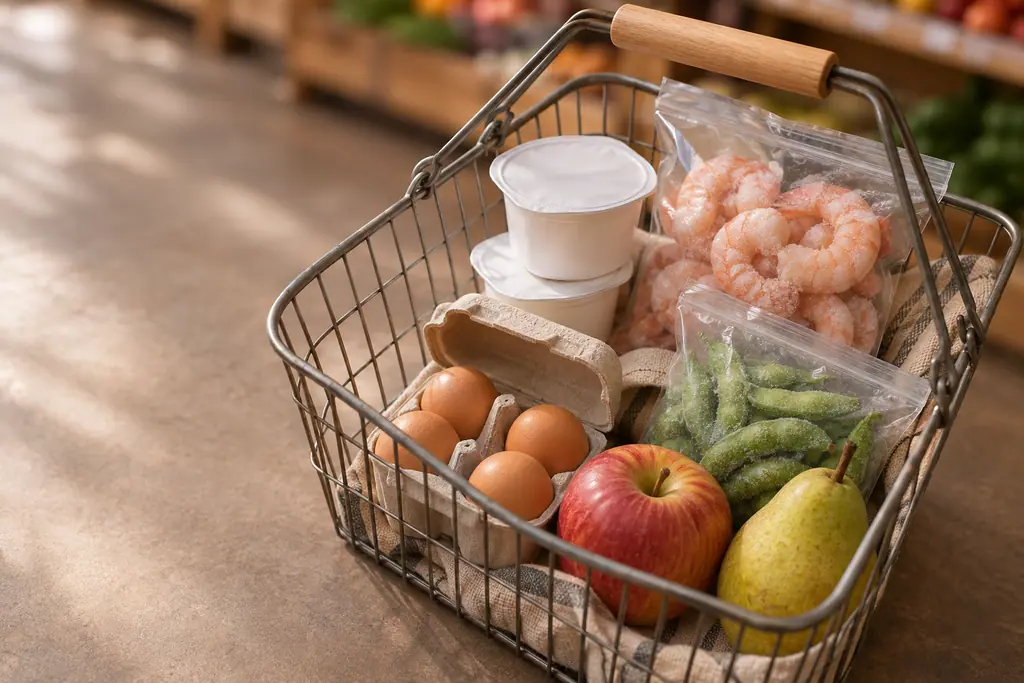
- One-third of U.S. food goes uneaten (EPA); buy bulk only in long-shelf-life formats — single-serve dairy cups, frozen seafood, frozen edamame, and pantry cans.
- USDA FSIS confirms freezing itself does not destroy nutrients, making resealable freezer bags of shrimp, salmon, berries, and veggies ideal for small appetites.
- Use FoodSafety.gov fridge windows (1–2 days for fresh raw poultry; 3–4 days for cooked rotisserie chicken; 3–5 days for opened deli meat) to decide what to split and freeze on day one.
- Run the FDA 5% / 20% Daily Value check on multipacks to catch hidden sodium (over 70% comes from packaged foods) and added sugars.
A warehouse club can either double your food waste or cut your grocery stress in half — the difference is buying bulk in sealed single-serves, frozen bags, and pantry staples while keeping fresh items tiny.
Walking into a warehouse club or supercenter — whether that is Costco, Walmart, Sam’s Club, or your local big-box store — feels strangely different once your appetite shrinks on a GLP-1 medication. The giant tubs and multi-pound packs that used to look like bargains now look like a race against the trash can. Nationally, the U.S. EPA estimates that one-third of all food in the United States goes uneaten, costing the average family of four almost $3,000 a year [6].
(Quick note: this guide is independent and not affiliated with or endorsed by any store. Because store stock and prices shift by region and season, we focus on generic food formats and FDA label checks you can use in any U.S. aisle.)
What is worth buying in bulk — and what should stay small?
A simple rule protects both your budget and your crisper drawer: buy bulk only when the package is individually sealed, frozen, or shelf-stable. Keep short-lived fresh items small unless you are cooking for a larger household or freezing half on day one.
USDA Food Safety and Inspection Service (FSIS) confirms that the freezing process itself does not destroy nutrients, and food stored continuously at 0°F stays safe indefinitely (recommended freezer windows are for best texture and flavor) [4] [5]. That turns the big-box freezer aisle into your strongest ally for small-plate eating.
Your aisle-by-aisle big-box cart (generic categories only)
Use this shelf-life map to pick 2 or 3 versatile formats per section rather than filling an entire flatbed cart:
| Store aisle | Smart big-box format | Fridge / freezer clock (FoodSafety.gov) | Easy small-plate match |
|---|---|---|---|
| Refrigerated dairy & eggs | Single-serve plain Greek yogurt cups, small cottage cheese cups, pre-portioned cheese sticks, cartons of raw eggs or liquid egg whites | Raw eggs in shell: 3–5 weeks at 40°F or below [5] | High-Protein Blueberry Greek Yogurt Bowl (19 g protein) |
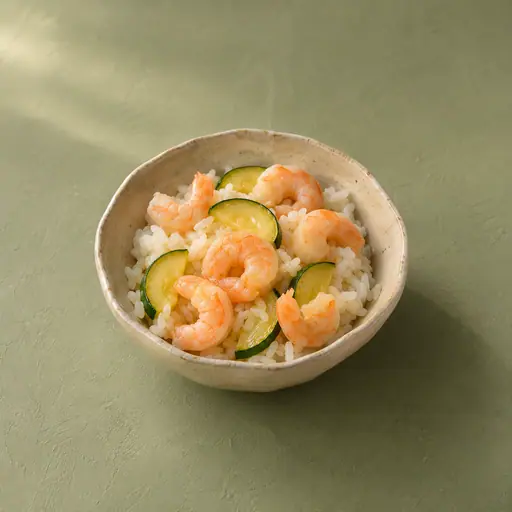
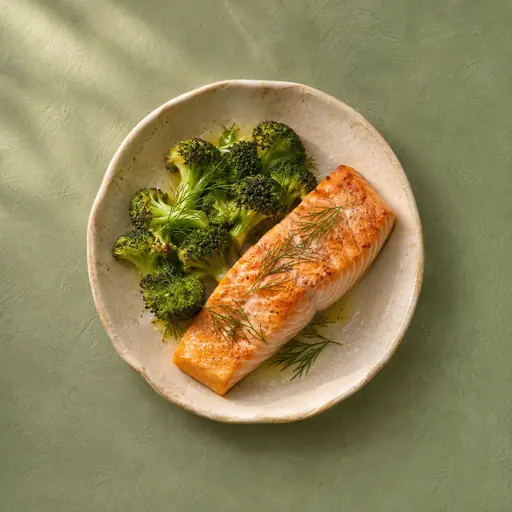
| Freezer — seafood & poultry | Resealable bags of frozen cooked peeled shrimp, individually vacuum-sealed salmon or cod fillets | Frozen shrimp: 6–18 months; frozen fatty fish: 2–3 months for best quality [5] | Shrimp & Zucchini Rice Cup (22 g protein) or Sheet-Pan Salmon & Broccoli (26 g protein) |
| Freezer — plant protein & produce | Frozen shelled edamame (single-steam bags or bulk resealable bag), frozen berries, frozen green peas, broccoli florets | Continuous 0°F retains nutrients with zero wilting [4] | Warm Shelled Edamame Cup (18 g protein, 8 g fiber) |
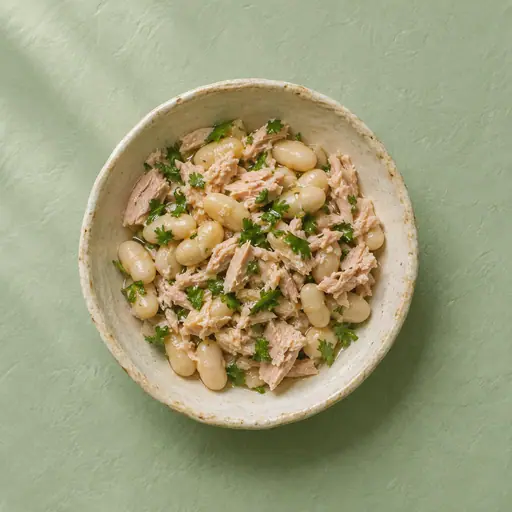
| Pantry — canned fish & beans | Multipacks of canned or pouch light tuna and skinless boneless pink salmon; canned white, black, and pinto beans | Shelf-stable for months; rinse beans under cold water to lower sodium | No-Cook Tuna & White Bean Protein Bowl (23 g protein, 6 g fiber) |
| Pantry — dry bases & seeds | Rolled oats, chia seeds, hemp hearts, single-serve microwave rice or quinoa cups, plain saltines, low-sodium broth cartons | Shelf-stable; portion one small scoop at a time | Quick add-ins for morning oats, dips, and gentle broth mugs |
| Deli & prepared (split on day one) | Whole rotisserie chicken or multi-pack lower-sodium sliced deli turkey | Cooked poultry: 3–4 days fridge / 2–6 months frozen; opened deli meat: 3–5 days fridge [5] | Chicken & Carrot Rice Cup (27 g protein) |
Seafood note: When buying multipacks of canned or frozen seafood, the joint FDA and EPA Advice about Eating Fish lists salmon, shrimp, and canned light tuna (including skipjack) among its “Best Choices” for lower mercury, while canned albacore (“white”) tuna sits in the moderate-mercury “Good Choices” tier [7].
How do you handle giant packs of fresh meat or rotisserie chicken?
Three high-waste traps catch almost every new GLP-1 shopper in big-box aisles:
- Multi-pound packs of fresh raw chicken or turkey: FoodSafety.gov lists just 1 to 2 days in the refrigerator (at 40°F or below) for fresh raw poultry pieces [5]. If you buy a family pack at a supercenter, bring zip freezer bags to the counter the moment you get home — keep two small portions in the fridge and freeze the rest flat in 4-ounce single packs immediately (best quality up to 9 months frozen) [5].
- Whole rotisserie chickens: Shred the skinless breast meat while slightly warm, chill two or three days’ worth in shallow containers (cooked poultry keeps 3 to 4 days in the fridge), and freeze the extra meat in labeled 3-ounce mini-meal portions (each 3 oz shredded portion delivers 23.8 grams of USDA protein) [5].
- Oversized produce clamshells: Giant boxes of baby spinach or fresh berries often turn slimy before a small appetite gets halfway through. Buy smaller single-week produce bunches at a supercenter — or switch your berry and vegetable backbone to the freezer aisle and keep sturdier fresh picks like apples, cucumbers, carrots, and lemons on hand.
Unit price is only a bargain if you actually eat the whole container. Single-serve yogurt cups that stay sealed for weeks beat a giant half-eaten tub every time.
A 15-second FDA label check for big-box multipacks
Warehouse clubs and supercenters are packed with tempting “high-protein” yogurts, bars, ready-to-drink shakes, and heat-and-eat bowls. Before tossing a 12-pack into your cart, run three quick FDA Nutrition Facts label checks [1] [2] [3]:
- Check the serving size first: Verify whether the protein number on the front applies to one single cup/pouch or two servings inside the same package [1].
- Scan sodium with the 5% / 20% rule: Over 70% of U.S. dietary sodium comes from packaged and prepared foods, and the FDA Daily Value for sodium is less than 2,300 mg per day [2]. On any Nutrition Facts panel, 5% DV or less per serving is low and 20% DV or more is high [1] [2]. Rotisserie poultry, deli meat packs, cottage cheese, and frozen meals vary dramatically in salt, so comparing two packages side by side pays off quickly.
- Watch added sugars on sweet protein snacks: The FDA Daily Value for added sugars is 50 grams per day (less than 10% of daily calories on a 2,000-calorie pattern) [3]. Plain nonfat Greek yogurt plus frozen berries gives you clean sweetness with zero added sugar, whereas flavored multipack yogurts and protein bars can quietly pack high %DV added sugars [3].
While reading labels, also look for higher %DV in the nutrients FDA highlights getting more of — dietary fiber, calcium, iron, potassium, and vitamin D [1].
Next steps in your kitchen
- Pair your big-box run with our printable Small-Portion, Zero-Waste GLP-1 Grocery List, turn those staples into two fast weekly batches with Small-Portion GLP-1 Meal Prep, or pack cold office bowls from GLP-1 Friendly Work Lunches.
- Check your daily protein range in our Protein calculator and generate an aisle-sorted shopping list matched to your exact day in our free 1-day plan.
Try this in your kitchen
Small plates that match this guide
Six low-waste plates built straight from warehouse-friendly staples — single-serve yogurt, frozen shrimp, frozen edamame, rotisserie chicken, canned tuna, and frozen salmon.
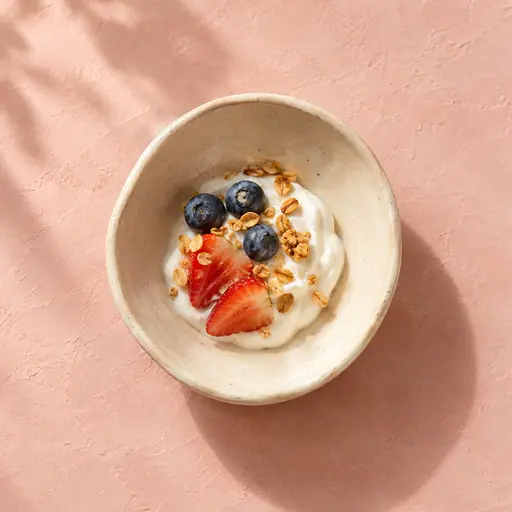
- High-Protein Blueberry Greek Yogurt Bowl
- Shrimp & Zucchini Rice Cup For the rest of the family: add extra rice and a pan of roasted zucchini.
- Warm Shelled Edamame Cup
- Chicken & Carrot Rice Cup For the rest of the family: add a side of peas and larger bowls of rice.
- No-Cook Tuna & White Bean Protein Bowl
- Sheet-Pan Salmon & Broccoli For the rest of the family: roast four fillets with the broccoli and add a pot of rice.


Macros are calculated by code from USDA FoodData Central.
Common questions
Does shopping at a warehouse club like Costco or Sam's Club make sense on a small GLP-1 appetite?
Yes — if you stay selective. Warehouse clubs shine for sealed single-serve multipacks (plain Greek yogurt cups, individual cheese sticks, canned light tuna or pink salmon) and resealable freezer staples (frozen cooked shrimp, individually frozen salmon fillets, frozen shelled edamame, frozen berries). Skip giant fresh salad clamshells and oversized fresh fruit flats unless you are feeding a whole household.
How do I keep a big-box rotisserie chicken from spoiling before I finish it?
FoodSafety.gov lists 3 to 4 days in the refrigerator (at 40°F or below) for cooked poultry — and 2 to 6 months in the freezer for best quality. Shred the breast meat the day you bring it home, chill 2 to 3 days' worth in shallow containers, and freeze the rest flat in small 3-ounce meal bags.
Are frozen shrimp, salmon, and vegetables at big-box stores less nutritious than fresh?
No. USDA FSIS states clearly that the freezing process itself does not destroy nutrients, and meat, poultry, and seafood retain their nutrient value well at 0°F. Frozen staples also let you thaw a single 3-ounce serving with zero waste.
What should I look for on the Nutrition Facts label of big-box snack multipacks?
Check serving size first (some 'individual' pouches or bottles list more than one serving), then apply the FDA 5% / 20% Daily Value shortcut: 5% DV or less is low and 20% DV or more is high. Watch added sugars (Daily Value 50 g/day) on flavored yogurts and bars, and sodium (Daily Value under 2,300 mg/day) on deli packs, jerky, and prepared frozen dishes.
Are you affiliated with Costco, Walmart, or any grocery retailer?
No. This guide is completely independent — we are not affiliated with or endorsed by Costco, Walmart, Sam's Club, Target, or any grocery chain, and we list generic food formats rather than paid brand picks or shifting store prices.
Sources
Every health, nutrition, and food-safety claim in this guide links to a published advisory, peer-reviewed paper, or public agency document.
- How to Understand and Use the Nutrition Facts Label — U.S. Food and Drug Administration (FDA) (2024)
- Sodium in Your Diet — U.S. Food and Drug Administration (FDA) (2024)
- Added Sugars on the Nutrition Facts Label — U.S. Food and Drug Administration (FDA) (2024)
- Freezing and Food Safety — USDA Food Safety and Inspection Service (FSIS) (2024)
- Cold Food Storage Chart — FoodSafety.gov (HHS / USDA / FDA) (2023)
- Preventing Wasted Food At Home — U.S. Environmental Protection Agency (EPA) (2025)
- Advice about Eating Fish — U.S. Food and Drug Administration (FDA) & EPA (2021)