At a glance
- Small, protein-rich snacks every 3 to 4 hours help you meet daily protein goals without forcing heavy dinner plates.
- Use the FDA 5% / 20% Daily Value rule on packaged snacks to spot sneaky sodium (over 70% of U.S. sodium comes from packaged foods) and added sugars.
- Keep two snack kits ready: 3-minute cold fridge assemblies at home and cooler-safe or shelf-stable protein picks for work and travel.
- Follow the USDA FSIS 2-hour rule (1 hour above 90°F) when packing dairy, eggs, deli turkey, or chicken salads in a lunch bag.
On a small appetite, a snack is not a filler between giant meals — it is a quiet 20-gram bridge that keeps your day on track without ever feeling stuffed.
Traditional snack aisles are built around crunch and sugar — pretzels, crackers, trail mix heavy on candy, and granola bars that deliver 4 grams of protein and leave you empty an hour later. On a GLP-1 medication, every small eating moment counts. When your meals shrink, a smart afternoon snack is often the difference between comfortably hitting your protein range and falling 25 grams short.
Why “mini-meal snacks” beat mindless grazing
The 2025 joint clinical advisory encourages small, frequent eating occasions every 3 to 4 hours centered on nutrient-dense, lower-volume proteins — Greek yogurt, cottage cheese, eggs, fish, lean poultry, beans, and nuts or seeds [1]. Treating snacks as compact 18-to-26-gram protein anchors keeps blood sugar and energy steady without requiring a big dinner plate later.
Not sure how many daily grams you are aiming for? Plug your reference weight into our Protein calculator first — once you see how four or five small anchors add up, choosing snacks becomes simple.
Two snack lanes: 3-minute fridge vs. desk and travel
Keep a short rotation in both lanes so you are never stuck staring into an empty vending machine:
Lane 1: 3-to-6-minute home fridge assemblies (zero stove)
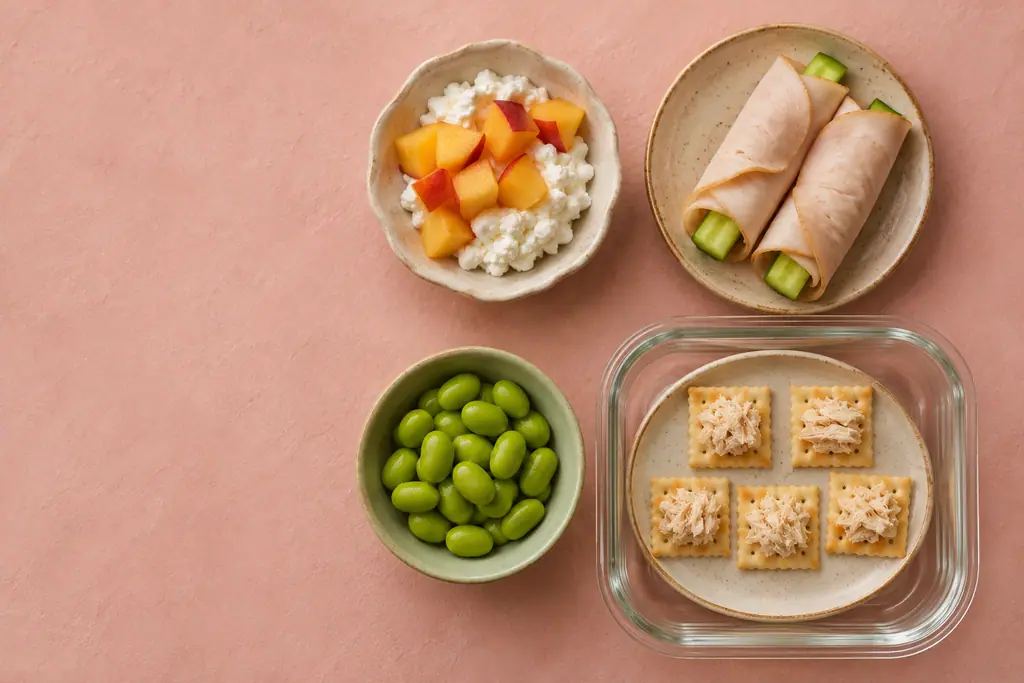
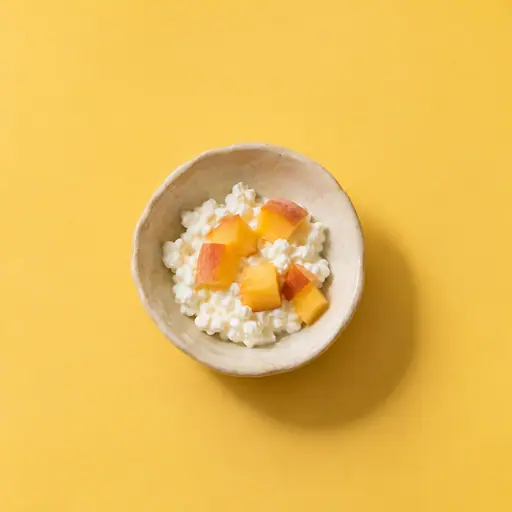
- Sweet, cold, zero smell: Spoon together High-Protein Cottage Cheese & Peach Bowl (22 g protein, 4 min) or whip up a chilled High-Protein Strawberry Cottage Cheese Cheesecake Cup (20 g protein, 5 min) when you want something dessert-like without heavy cream.
- Crunchy and savory: Top cottage cheese with seeds and nuts in High-Protein Cottage Cheese, Pepita & Almond Bowl (24 g protein, 3 min), or roll crisp veggies in turkey with No-Cook Turkey & Cucumber Roll-Ups (21 g protein, 5 min).
- Gentle stomach backup: Pair plain yogurt-dressed chicken with crisp crackers in Shredded Chicken & Saltines (Nausea-Safe Snack) (26 g protein, 6 min).
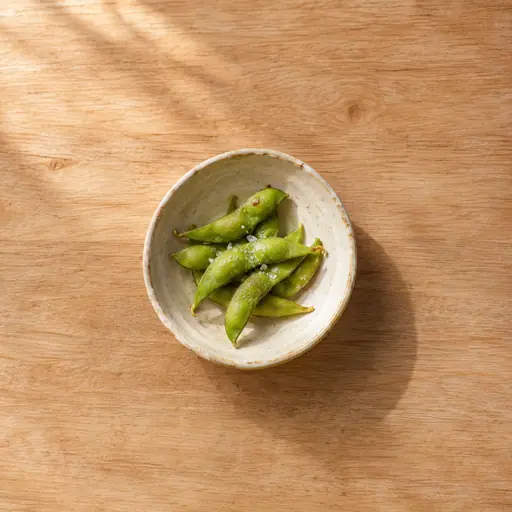
- Warm plant fiber + protein: Steam a bowl of Warm Shelled Edamame Cup (18 g protein, 8 g fiber, 6 min) for an afternoon bridge that supports digestion too.
Lane 2: Office, car, and airport snacks
| Situation | Easy protein pick | What to check first |
|---|---|---|
| Office fridge or insulated bag | Single-serve plain Greek yogurt, cottage cheese cup, 2 hard-boiled eggs + thin cheese, turkey roll-ups | Keep at 40°F or below; follow the 2-hour rule [5] [6] |
| No fridge (purse, desk drawer, flight) | Tear-open light tuna or salmon pouch + saltines, roasted edamame or chickpeas, unsalted almonds or pepitas | Check sodium %DV on seasoned pouches and roasted beans [2] [3] |
| Low-appetite errand day | Ready-to-drink high-protein milk or shake (unsweetened or low added sugar) | Look for low added sugars on the FDA label [4] |
Want more zero-stove plates for low-energy evenings too? Browse our No-Cook High-Protein Meals guide or our Small-Portion Grocery List.
A 15-second label check for packaged snacks
Convenience snacks make busy weeks livable, as long as salt and added sugar do not crowd out nutrition. Three FDA label checks take seconds in the aisle:
- Serving size first: Make sure the protein number applies to the whole package, not half a bar or half a tub [2].
- Sodium %DV: Over 70% of U.S. dietary sodium comes from packaged and prepared foods, and the Daily Value is less than 2,300 mg/day [3]. Using the FDA 5% / 20% rule, 5% DV or less is low and 20% DV or more is high [2] [3]. Choose lower-sodium deli turkey and rotate it with naturally lower-sodium Greek yogurt, eggs, and unsalted seeds — the 2025 clinical advisory also advises keeping processed meats in moderation [1].
- Added sugars %DV: The Daily Value for added sugars is 50 grams per day (less than 10% of daily calories on a 2,000-calorie pattern) [4]. Flavored yogurts, protein bars, and coffee shakes can quietly carry 12 to 20 grams of added sugar; plain dairy plus fruit keeps sweetness clean [4].
A good GLP-1 snack label has short ingredients, strong protein per small serving, and low added sugar — no giant portion required.
Packing cold snacks safely for work or travel
Dairy, eggs, turkey, and chicken salads are perishable. Keep two federal safety clocks in mind when you pack a bag:
- The 2-hour Danger Zone rule: Perishable foods should not sit between 40°F and 140°F for more than 2 hours — or 1 hour if the surrounding temperature is above 90°F (such as a warm car in summer) [5]. Use an insulated lunch bag with a frozen gel pack whenever you are away from a fridge.
- Home fridge clocks (40°F or below): Hard-boiled eggs keep for 1 week, opened or deli-sliced turkey keeps for 3 to 5 days, and prepared chicken or tuna salads keep for 3 to 4 days [6].
Ready to slot two of these snacks straight into a balanced day with an automatic grocery list? Open our free 1-day plan or check your daily range in the Protein calculator.
Try this in your kitchen
Small plates that match this guide
Six high-protein snack plates and cups from our library — every one delivers 18 to 26 grams of USDA-calculated protein in 3 to 6 minutes.
- High-Protein Cottage Cheese & Peach Bowl
- High-Protein Cottage Cheese, Pepita & Almond Bowl
- No-Cook Turkey & Cucumber Roll-Ups
- Shredded Chicken & Saltines (Nausea-Safe Snack)
- High-Protein Strawberry Cottage Cheese Cheesecake Cup
- Warm Shelled Edamame Cup
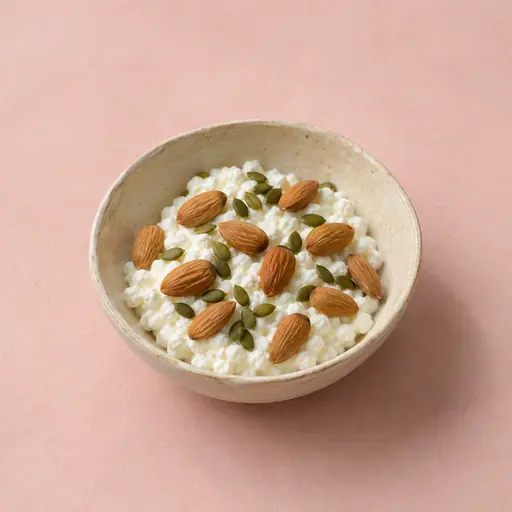
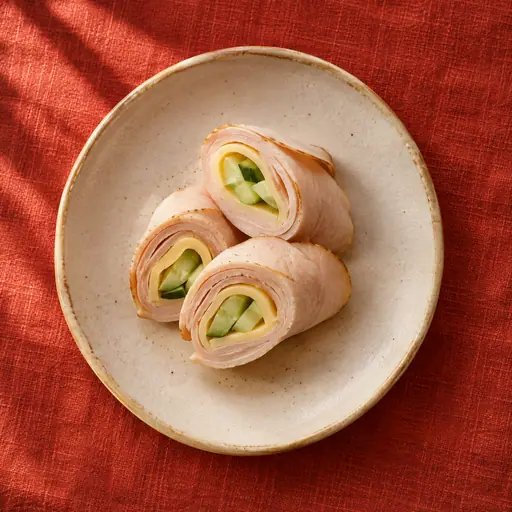
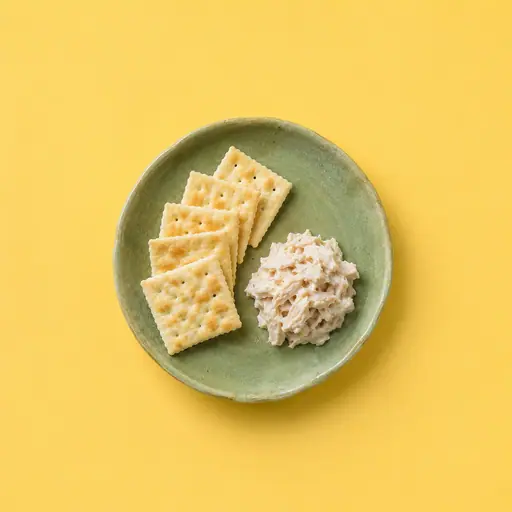
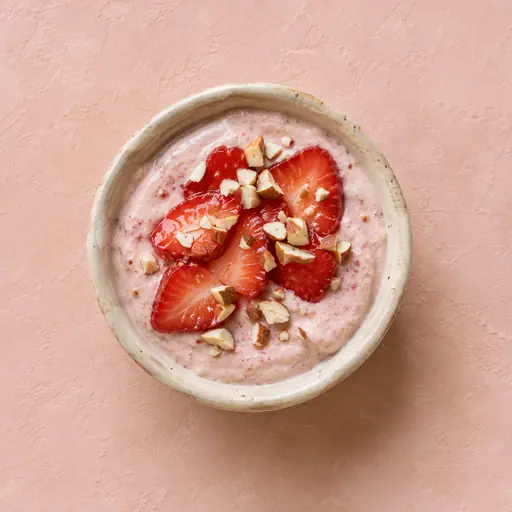
Macros are calculated by code from USDA FoodData Central.
Common questions
Why are high-protein snacks so helpful on a GLP-1 medication?
When you can only eat small portions at lunch and dinner, getting 80 to 120 grams of protein in just two or three sittings is uncomfortable. Adding one or two compact 18-to-25-gram snacks turns an overwhelming daily target into calm, finishable mini-meals every 3 to 4 hours — the pattern highlighted in the 2025 joint clinical advisory.
What are the best grab-and-go GLP-1 snacks for a desk or bag?
With an ice pack, single-serve plain Greek yogurt cups, cottage cheese cups, pre-peeled hard-boiled eggs, turkey roll-ups, and shredded chicken with saltines stay fresh for hours. Without refrigeration, shelf-stable light tuna or salmon pouches, roasted edamame or chickpeas, and small portions of nuts or seeds travel cleanly.
How do I pick a store-bought protein bar, shake, or deli pack without excess sugar or salt?
Check the serving size on the FDA Nutrition Facts label first, then scan % Daily Value: 5% DV or less is low and 20% DV or more is high. Watch added sugars (FDA Daily Value is 50 g/day) on bars and flavored yogurts, and watch sodium (Daily Value under 2,300 mg/day) on deli meats, jerky, and cottage cheese.
How long can cold protein snacks sit out at work or in a carry-on bag?
USDA FSIS warns that perishable foods should not stay in the 'Danger Zone' (40°F to 140°F) for more than 2 hours — or 1 hour when temperatures are above 90°F. Pack cold dairy, eggs, turkey, or chicken salads with an insulated bag and cold pack, or store them in an office fridge at 40°F or below.
Sources
Every health, nutrition, and food-safety claim in this guide links to a published advisory, peer-reviewed paper, or public agency document.
- Nutritional priorities to support GLP-1 therapy for obesity: A joint advisory from the American College of Lifestyle Medicine, the American Society for Nutrition, the Obesity Medicine Association, and The Obesity Society — The American Journal of Clinical Nutrition / Obesity Pillars (2025)
- How to Understand and Use the Nutrition Facts Label — U.S. Food and Drug Administration (FDA) (2024)
- Sodium in Your Diet — U.S. Food and Drug Administration (FDA) (2024)
- Added Sugars on the Nutrition Facts Label — U.S. Food and Drug Administration (FDA) (2024)
- Leftovers and Food Safety — USDA Food Safety and Inspection Service (FSIS) (2024)
- Cold Food Storage Chart — FoodSafety.gov (HHS / USDA / FDA) (2023)