At a glance
- Keep dinners modular: share the protein base, then let the rest of the family add starches, sauces, and extra sides at the table.
- Serve yourself on a smaller plate first — protein first — so dinner feels complete without triggering discomfort.
- Keep table talk calm and practical if family members notice smaller portions.
- Follow USDA leftover safety rules: refrigerate within 2 hours, use within 3 to 4 days, and reheat to 165°F.
Cook one main protein and one gentle vegetable. Put the rice, pasta, bread, and extra toppings in serving bowls on the table — not mixed into the pan.
Nothing drains the joy out of weeknight cooking faster than making two separate dinners — a full pot of baked ziti for a partner and teenagers, plus a lonely bowl of plain yogurt for yourself. You should not have to become a short-order cook, and you do not have to eat completely different food from the people you love.
The secret is switching from locked-together dinners (heavy casseroles and saucy one-pot pastas) to modular dinners where the shared protein sits in the center and every person builds their own plate.
Five modular dinner formulas (your plate vs. family plate)
Healthy family eating does not require special diet food; the CDC notes that a balanced eating pattern centers on everyday vegetables, fruits, whole grains, dairy, and varied proteins like seafood, poultry, eggs, beans, and soy [4]. When one person at the table has a smaller appetite, simply keep the protein anchor separate from the starch and rich toppings until plating:
| Modular formula | Your small plate (protein-first) | Family plate (add-ons at the table) | Real recipe idea |
|---|---|---|---|
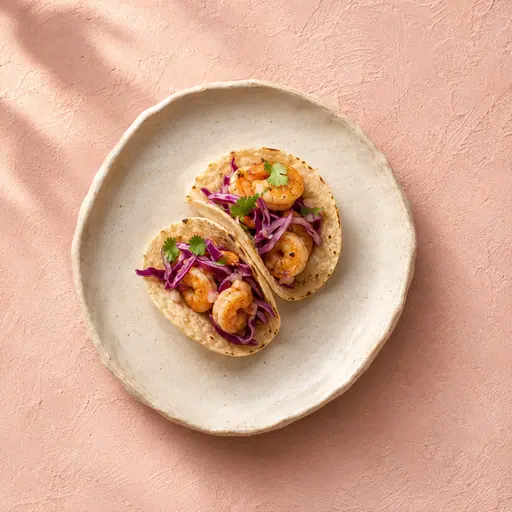
| 1. Taco night | Two small corn tortillas loaded with shrimp and crisp lettuce | Warm extra tortillas, a pot of black beans, shredded cheese, sour cream | Two Shrimp & Avocado Tacos |
| 2. Build-your-own bowls | Flaked salmon and green peas over a modest scoop of rice | Bigger bed of rice, roasted broccoli tray, sesame or spicy sauce | Salmon & Rice Bowl |
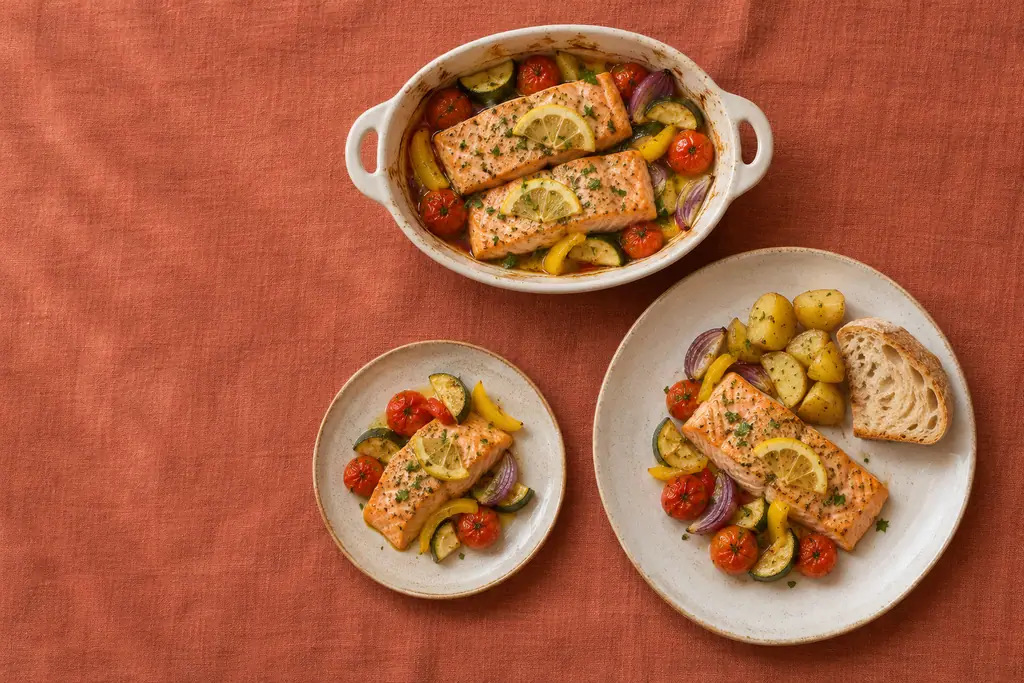
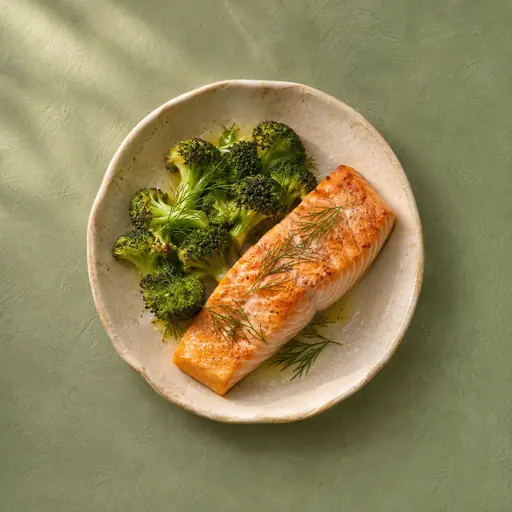
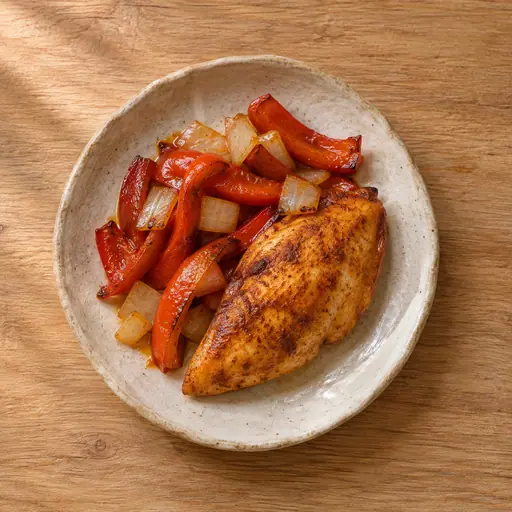
| 3. Sheet-pan roasts | Tender baked salmon or paprika chicken plus a small scoop of roasted veg | Roasted potatoes, crusty garlic bread, extra olive oil drizzle | Sheet-Pan Salmon & Broccoli or Sheet-Pan Paprika Chicken & Peppers |
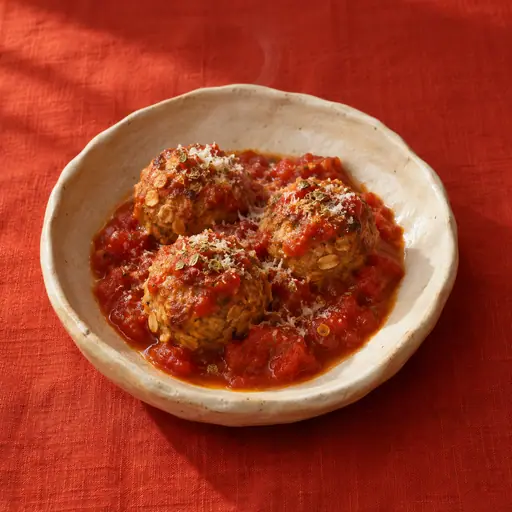
| 4. Sauce & pasta on the side | Warm turkey meatballs in bright tomato sauce on their own | Big pot of spaghetti or rigatoni, grated parmesan, garlic knots | Turkey Meatballs in Tomato Sauce |
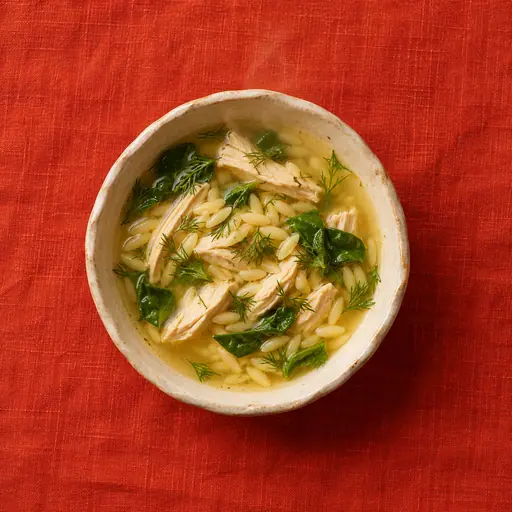
| 5. Soup-and-bread nights | One cozy mug or small bowl of protein-rich soup | Full bowl plus toasted rolls, grilled cheese, or a chopped side salad | Lemon Chicken & Orzo Soup |
Notice what happens: nobody feels singled out, you only wash one set of pans, and your plate naturally puts protein first — the exact habit recommended in the 2025 joint clinical advisory when appetite is reduced [1].
Four weeknight tweaks that save your energy
- Hold heavy sauces on the side. Rich cream sauces, heavy glazes, and greasy toppings can trigger nausea or reflux when digestion is slower [1]. Roast or poach the chicken, fish, or shrimp plainly with herbs, lemon, or mild seasoning, and pass the cheese, gravy, or hot sauce at the table.
- Use a salad plate instead of a dinner plate. A small portion looks calm and inviting on an 8-inch plate, and it removes the quiet pressure to clean a giant platter.
- Pack tomorrow’s mini-lunch while putting dinner away. Extra shredded chicken, meatballs, or flaked salmon goes straight into a single-serve glass container before you even sit down to clean up.
- Let our free 1-day plan do the thinking. Toggle Me + family and every evening meal automatically tells you what goes on your small plate and what to set out for everyone else.
Talking about smaller plates at the table (without awkwardness)
One of the most common quiet worries for moms and partners on a GLP-1 medication is what to say when someone at the table notices you eating half your old portion. You do not owe anyone a medical explanation at Tuesday dinner.
A small plate is not “skipping” dinner. It is the exact same dinner, plated for the appetite you actually have tonight.
Three calm, zero-drama lines keep the focus off your plate:
- “This is delicious — I’m comfortably full already, so I’m saving the rest for lunch tomorrow.”
- “I’ve been feeling much better when I eat smaller plates more often through the day.”
- “Go ahead and grab seconds on the rice and rolls — I made plenty for everyone.”
Modeling “stop when comfortably full” with zero diet talk or body commentary is healthy for everyone at the table.
Keep leftovers safe — and stop tossing money
According to the U.S. EPA, one-third of all food in the United States goes uneaten, and the average family of four spends almost $3,000 a year on food that never gets eaten [3]. When your portions shrink by half, safe leftover handling turns extra dinner into effortless next-day lunches.
The USDA Food Safety and Inspection Service (FSIS) gives four clear rules [2]:
- The 2-hour rule: Refrigerate perishable leftovers within 2 hours of cooking (or 1 hour if the room or outdoor temperature is above 90°F). Bacteria grow rapidly in the “Danger Zone” between 40°F and 140°F [2].
- Shallow containers cool faster: Pack extra meat, soup, or rice in small, shallow containers — which also happen to be single-meal size for you tomorrow [2].
- 3 to 4 days in the fridge: Use refrigerated cooked leftovers within 3 to 4 days, or freeze them (for best quality, 3 to 4 months) before they spoil [2].
- Reheat to 165°F: Reheat leftovers to 165°F on a food thermometer, and bring soups, sauces, and gravies to a rolling boil; cover and rotate microwave dishes so cold spots heat evenly [2].
Next steps in your kitchen
- Check your personal daily target in our Protein calculator and toggle Me + family inside our free 1-day plan.
- Pair family nights with Small-Portion GLP-1 Meal Prep and Eating Out on a GLP-1.
Try this in your kitchen
Small plates that match this guide
Six real family-friendly dinners from our library — each one includes a built-in add-on for everyone else at the table.
- Two Shrimp & Avocado Tacos For the rest of the family: add a pot of black beans and warm extra tortillas.
- Salmon & Rice Bowl For the rest of the family: add more rice and a tray of roasted broccoli.
- Sheet-Pan Salmon & Broccoli For the rest of the family: roast four fillets with the broccoli and add a pot of rice.
- Sheet-Pan Paprika Chicken & Peppers For the rest of the family: roast four portions and serve with warm corn tortillas and lime wedges.
- Turkey Meatballs in Tomato Sauce For the rest of the family: bake four portions and serve with pasta or a bowl of green beans.
- Lemon Chicken & Orzo Soup For the rest of the family: make four bowls and add a tomato and cucumber salad.

Macros are calculated by code from USDA FoodData Central.
Common questions
How do I cook for a hungry partner or teenagers when I can barely finish half a plate?
Use modular dinners instead of mixed casseroles. Roast or simmer one shared lean protein and one vegetable, then put high-energy add-ons (rice, tortillas, buttered noodles, bread, cheese, or extra sauce) in serving bowls on the table so everyone scales their own plate.
What do I say if my kids or partner worry that I am not eating enough?
Keep it matter-of-fact and free of diet talk: 'I ate a small lunch earlier and I'm comfortably full right now — I'm saving the rest for tomorrow.' Shifting focus back to regular table conversation avoids putting anyone on edge about food.
How long are cooked family leftovers safe to keep for my small lunches?
According to USDA FSIS guidelines, refrigerate leftovers within 2 hours of cooking (1 hour if it is over 90°F), eat refrigerated cooked leftovers within 3 to 4 days or freeze them, and reheat to an internal temperature of 165°F.
What dinners work best for one kitchen and two plates?
Taco nights, rice or grain bowls, sheet-pan chicken or salmon with roasted vegetables, meatballs with pasta served on the side, and protein-rich soups paired with crusty bread all let you take a protein-first small plate while your family builds a fuller meal.
Sources
Every health, nutrition, and food-safety claim in this guide links to a published advisory, peer-reviewed paper, or public agency document.
- Nutritional priorities to support GLP-1 therapy for obesity: A joint advisory from the American College of Lifestyle Medicine, the American Society for Nutrition, the Obesity Medicine Association, and The Obesity Society — The American Journal of Clinical Nutrition / Obesity Pillars (2025)
- Leftovers and Food Safety — USDA Food Safety and Inspection Service (FSIS) (2024)
- Preventing Wasted Food At Home — U.S. Environmental Protection Agency (EPA) (2025)
- Tips for Healthy Eating for a Healthy Weight — Centers for Disease Control and Prevention (CDC) (2026)