At a glance
- Step up soluble-rich foods (oats, chia, beans, lentils, edamame, berries, and pears) gradually — NIDDK notes adults generally need 22 to 34 g of fiber a day.
- Pair every bump in fiber with steady liquids (more than 2 liters per day per the 2026 Delphi consensus) so fiber softens stool rather than causing bloat.
- Combine food with daily movement and NIDDK's routine tip of allowing relaxed bathroom time 15 to 45 minutes after breakfast.
- Call your doctor promptly for NIDDK red-flag symptoms: rectal bleeding, blood in stool, constant abdominal pain, inability to pass gas, vomiting, or fever.
Relieving GLP-1 constipation is rarely about one miracle food — it is a calm, repeatable day of moist soluble fiber, steady fluids, and gentle movement.
When digestion slows down on a GLP-1 medication, knowing in theory that you need more fiber and water is one thing — staring into your kitchen at 8 a.m. wondering what to put in a bowl is another. We cover fluid timing in our Fiber and Fluids guide and explain why soft textures outperform raw salads in Gentle High-Fiber Foods for GLP-1 Constipation. This guide turns those rules into two things you can use immediately: a USDA-verified practical food list and a full 1-day sample menu that balances gentle fiber with steady protein.
Which everyday foods help ease GLP-1 constipation best?
The National Institute of Diabetes and Digestive and Kidney Diseases (NIDDK) defines constipation as fewer than three bowel movements per week, hard, dry, or lumpy stools, straining, or feeling that not all stool has passed [3]. Depending on age and sex, NIDDK notes that adults generally need 22 to 34 grams of fiber per day, built up gradually alongside plenty of fluids [1] [2].
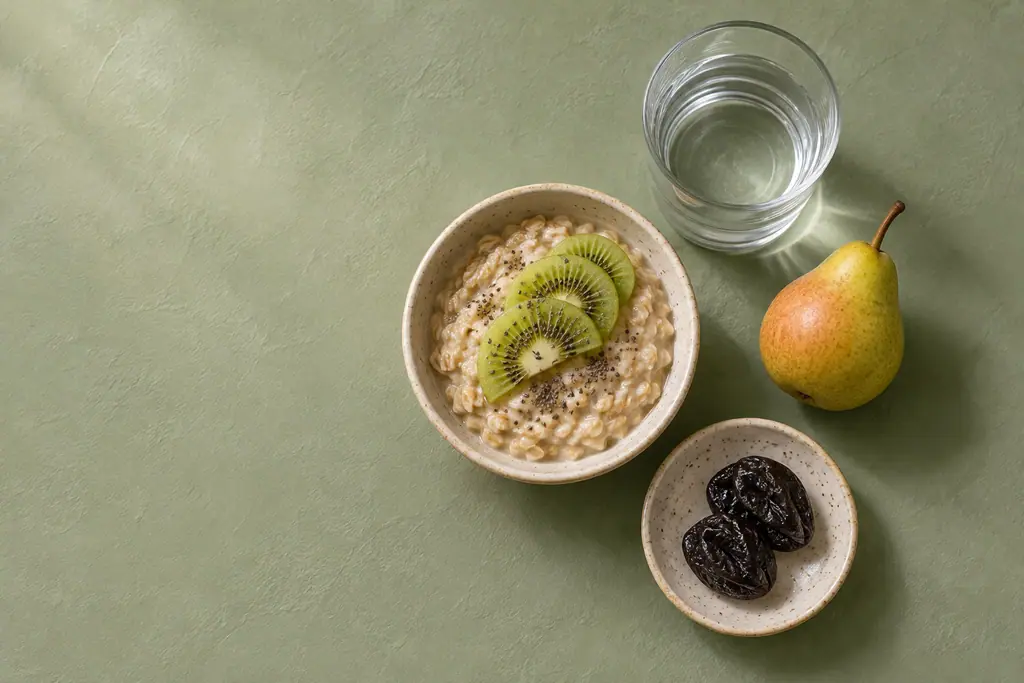
Why does the type of fiber matter so much on a smaller appetite? MedlinePlus explains that soluble fiber — found in oats, beans, lentils, peas, nuts, seeds, and soft fruits and vegetables — attracts water and turns into a smooth gel during digestion, while insoluble fiber (such as wheat bran and tough whole-grain skins) adds firmer bulk [4]. Starting with soluble-rich, moisture-packed foods helps soften stool gently without sitting like a brick in a slow stomach.
Every portion below comes straight from our USDA FoodData Central food database so you can see exactly how much fiber and protein fit inside a small serving [7]:
| Everyday grocery staple | Practical small serving | USDA fiber | USDA protein | Easy kitchen move |
|---|---|---|---|---|
| Plain cooked pinto beans, drained | About 3/4 cup (140 g) | 12.6 g | 12.6 g | Warm into brothy chowder or mash lightly |
| Plain cooked lentils | About 3/4 cup (149 g) | 11.8 g | 13.4 g | Simmer soft with cooked carrots or broth |
| Plain cooked white beans, drained | 3/4 cup (134 g) | 8.4 g | 13.0 g | Blend into a creamy dip or warm skillet |
| Frozen shelled edamame | 1 cup shelled (155 g) | 8.1 g | 18.4 g | Steam 4 minutes for a warm snack cup |
| Plain cooked black beans, drained | About 1/2 cup (90 g) | 7.8 g | 8.0 g | Fold into soft eggs, bowls, or soups |
| Chia seeds | 2 tablespoons (20 g) | 6.9 g | 3.3 g | Always pre-soak overnight in milk or yogurt |
| Raspberries | 1 cup (123 g) | 8.0 g | 1.5 g | Stir into Greek yogurt or cottage cheese |
| Rolled oats | 1/2 cup dry (40 g) | 4.0 g | 5.3 g | Soak overnight so the grain is fully hydrated |
Notice the double benefit in that table: legumes, edamame, and oats deliver meaningful fiber and real protein in the same compact cup, so you never have to choose between regularity and your daily protein goal.
How should you step up fiber without triggering bloat?
If you have been eating 8 or 10 grams of fiber a day because your portions shrank, jumping to 32 grams tomorrow will almost certainly leave you gassy and uncomfortable. NIDDK explicitly recommends adding fiber a little at a time so your body adjusts calmly [1].
Use a simple three-day ladder:
- Days 1–3: Add one moist, soluble-rich serving per day — for example, a pre-soaked oat jar at breakfast or a warm cup of edamame in the afternoon (roughly 6 to 8 extra grams of fiber) — and increase your fluids at the same time.
- Days 4–6: If your stomach feels settled, add a second gentle fiber anchor at lunch or dinner (such as a white bean dip or soft lentil cup).
- Hold steady on rough stomach days: If acute nausea flares up, step back temporarily to softer, lower-fiber foods from our Queasy-Day Food Guide, keep sipping liquids, and climb back up once your stomach settles.
Never add dry seeds or bran to a dry day. Every extra 5 grams of fiber needs extra sips of water right beside it.
A realistic 1-day constipation-relief menu (protein + gentle fiber)
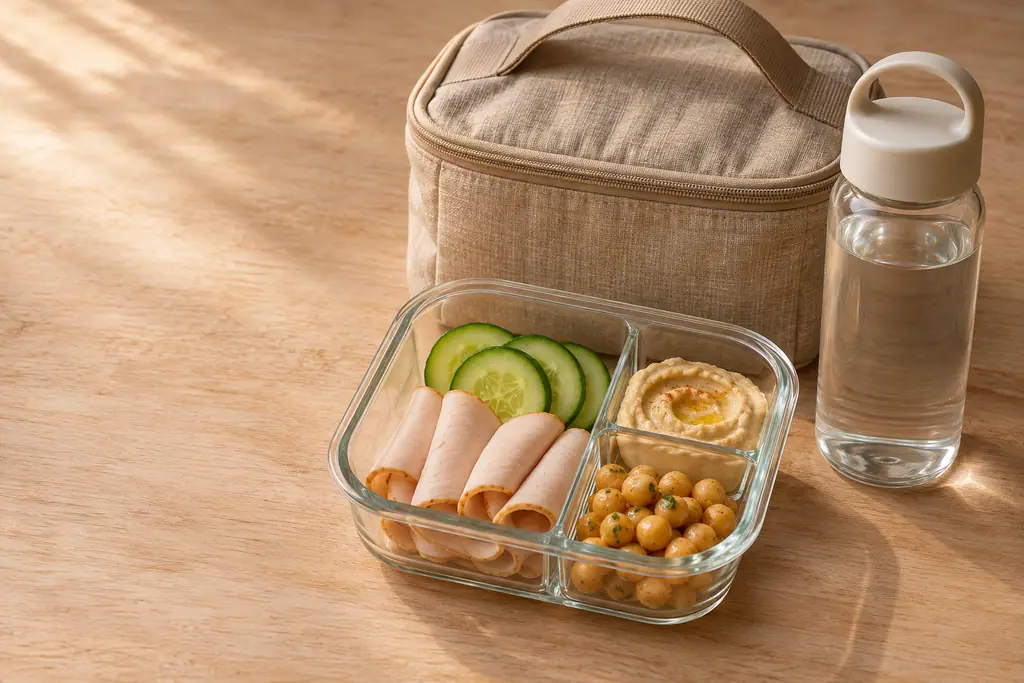
Here is how four small, finishable plates from our recipe library work together across a full day. Together, these four mini-meals deliver 76 grams of USDA-calculated protein and 36 grams of gentle fiber — and if you are currently stepping up slowly, simply swap the midday bean dip for a lower-fiber protein plate like No-Cook Turkey & Cucumber Roll-Ups (21 g protein, 3 g fiber) to land right around 28 grams of fiber and 76 grams of protein [7]:
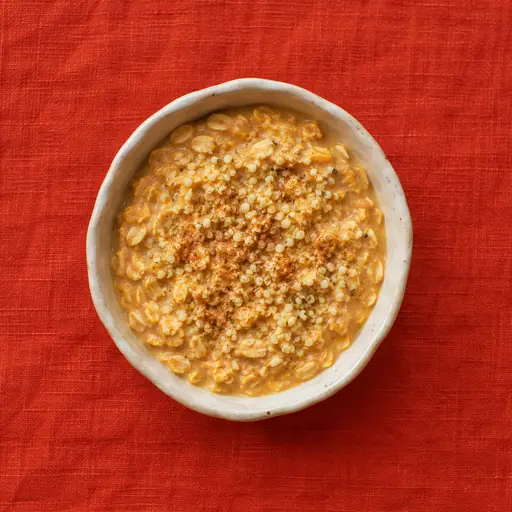
- Morning (pre-soaked and cool): High-Protein Pumpkin Maple Overnight Oats (No Powder) — 17 g protein, 6 g fiber (no-cook). Because oats and pumpkin sit overnight in soy milk, the fiber arrives already hydrated and easy on a slow morning stomach.
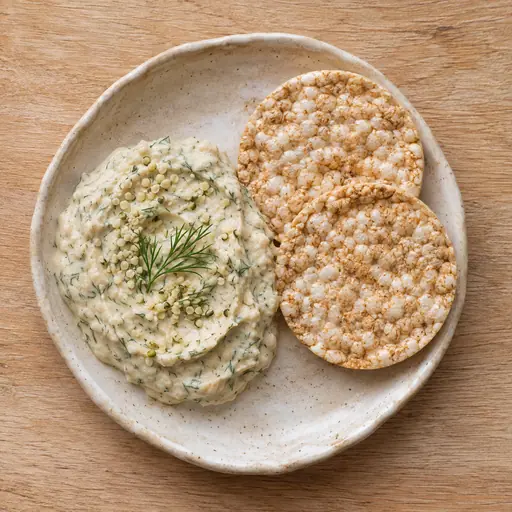
- Midday (creamy, zero stove): Creamy Dill & White Bean Dip — 21 g protein, 11 g fiber (7 minutes). Blending tender white beans with hemp hearts and fresh dill gives you smooth soluble fiber without tough raw salad greens.
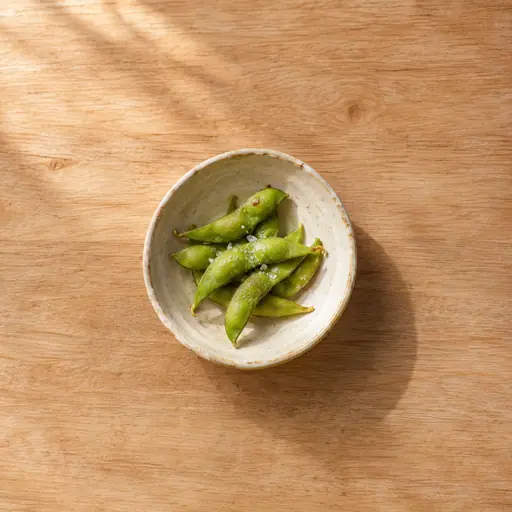
- Afternoon (warm 6-minute bridge): Warm Shelled Edamame Cup — 18 g protein, 8 g fiber (6 minutes). One of the easiest single-ingredient snacks in the freezer aisle when you need both protein and fiber in under ten minutes.
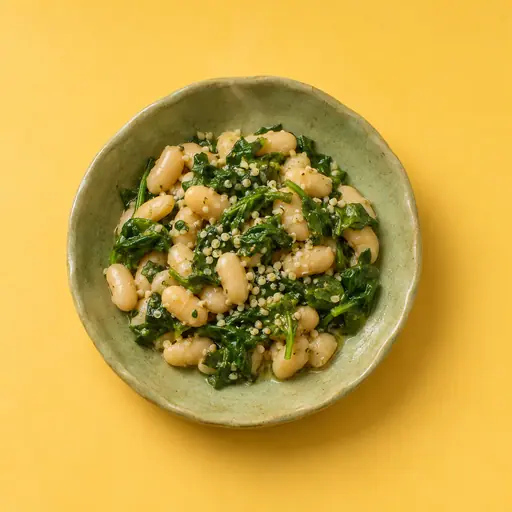
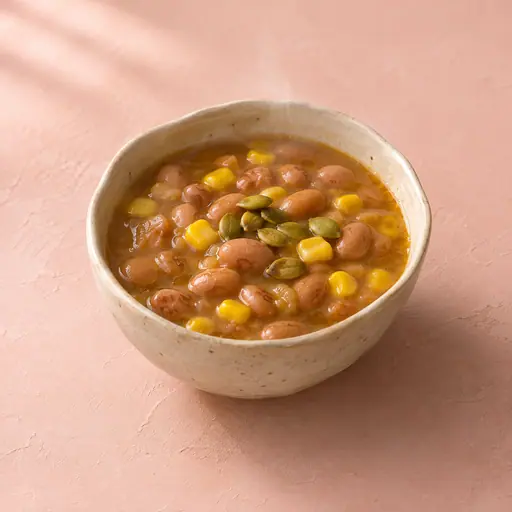
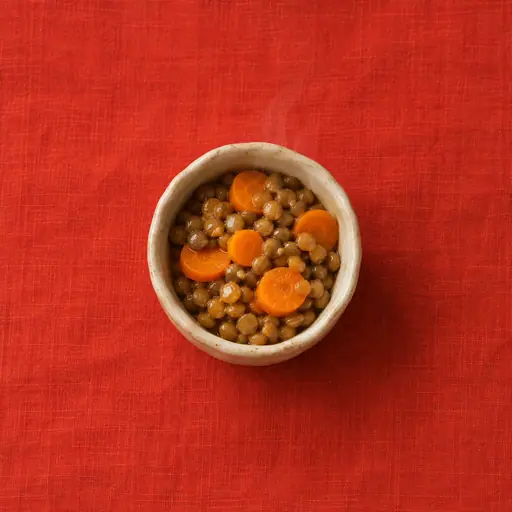
- Evening (tender, warm skillet or soup): Lemon White Bean & Spinach Skillet — 20 g protein, 11 g fiber (10 minutes), or swap in Pinto & Sweet Corn Chowder (18 g protein, 16 g fiber, 12 minutes) or Soft Lentil & Carrot Cup (18 g protein, 17 g fiber, 7 minutes) when you want a soothing mug of warm broth.
Want to add a fifth mini-plate or confirm your protein range first? Check your numbers in our Protein calculator and swap any plate inside our free 1-day plan.
How do fluids, walking, and morning routine help digestion move?
Food does half the job; water and daily motion do the other half.
- Steady liquids all day: NIDDK highlights water and clear soups as essential partners that soften stools and help dietary fiber move through the digestive tract [1]. During GLP-1 therapy, the 2026 modified Delphi consensus recommends more than 2 liters of fluid per day — best sipped steadily between mini-meals so liquid does not fill you up before your protein [6].
- Daily gentle movement: NIDDK specifically recommends getting regular physical activity to help relieve constipation [2]. You do not have to run miles; the CDC Physical Activity Guidelines for Americans emphasize that even short bouts of brisk walking count toward weekly activity (alongside muscle-strengthening work 2 days a week) [5]. A calm 10-to-15-minute walk after breakfast or dinner is often enough to help nudge things along.
- Use your body’s natural morning reflex: NIDDK notes a simple bowel-training strategy — trying to have a bowel movement at the same time each day, such as 15 to 45 minutes after breakfast, because eating stimulates the colon to move stool [2]. Give yourself unhurried time, respond promptly when you feel the urge, and try placing your feet on a small footstool to relax your pelvic floor muscles [2].
- Limit low-fiber crowd-outs: While backed up, NIDDK advises cutting back on foods with little or no fiber — such as chips, fast food, greasy fried dishes, and heavy processed meats — that crowd out moisture-rich whole foods [1].
When should you talk to your doctor about constipation?
Sometimes smaller plates make reaching 25+ grams of fiber from food alone genuinely hard. The 2026 modified Delphi consensus notes that fiber should be individualized to tolerance and that a gentle soluble fiber supplement such as psyllium can be discussed with your care team when food alone is not enough [6]. NIDDK also lists short-term over-the-counter options (such as fiber supplements or osmotic agents) that a healthcare professional can help you choose safely — and reminds patients never to stop or change a prescribed medication without talking to their doctor first [2].
Call your doctor if constipation does not improve with self-care, and seek medical attention right away if constipation comes with any of NIDDK’s warning signs [3]:
- Bleeding from your rectum or blood in your stool
- Constant abdominal pain
- Inability to pass gas
- Vomiting or fever
- Lower back pain or unexplained changes in body weight [3]
Next steps in your kitchen
- Pair this food list with fluid-timing strategies in Fiber and Fluids on a GLP-1 and texture tips in Gentle High-Fiber Foods for GLP-1 Constipation.
- Check your daily protein range in our Protein calculator and build a balanced day with an automatic grocery list in our free 1-day plan.
Try this in your kitchen
Small plates that match this guide
Six moisture-rich, USDA-calculated high-fiber plates from our library — delivering 6 to 17 grams of fiber alongside 17 to 21 grams of protein per small bowl.
- High-Protein Pumpkin Maple Overnight Oats (No Powder)
- Warm Shelled Edamame Cup
- Creamy Dill & White Bean Dip
- Lemon White Bean & Spinach Skillet For the rest of the family: simmer four portions and put out warm pita and plain yogurt.
- Pinto & Sweet Corn Chowder For the rest of the family: simmer a bigger pot and serve with cornbread and green beans.
- Soft Lentil & Carrot Cup For the rest of the family: add a side of rice and roasted carrots.
Macros are calculated by code from USDA FoodData Central.
Common questions
What are the best everyday foods to eat for GLP-1 constipation without bloating?
Focus on moisture-rich foods high in soluble fiber, which MedlinePlus explains attracts water and forms a soft gel during digestion. Practical staples include soaked rolled oats, chia seeds, cooked lentils, white beans, pinto beans, shelled edamame, soft berries, pears, and cooked carrots or squash — stepped up gradually alongside water.
How fast should I increase fiber when I am already backed up?
Slowly. Both NIDDK and MedlinePlus warn that adding too much fiber all at once causes gas, bloating, and cramps. Add one gentle fiber food (roughly 5 to 8 grams of fiber) per day for several days while drinking plenty of liquids, and see how your stomach responds before adding another.
Does walking or meal timing really help move constipation along?
Yes. NIDDK lists regular physical activity as a core home strategy for relieving constipation, and notes that bowel training — trying to have a bowel movement at the same time each day, such as 15 to 45 minutes after breakfast — can help because eating naturally signals the colon to move stool.
Should I stop my GLP-1 medication or start laxatives on my own if I am constipated?
Never change or stop a prescribed medication on your own. NIDDK explicitly advises talking with your healthcare professional before stopping any medicine or choosing over-the-counter laxatives or fiber supplements (such as psyllium), especially if constipation does not improve with food, fluids, and movement.
What constipation symptoms mean I should contact a doctor right away?
NIDDK advises seeking prompt medical care if constipation comes with rectal bleeding, blood in your stool, constant abdominal pain, inability to pass gas, vomiting, fever, lower back pain, or unexplained changes in body weight.
Sources
Every health, nutrition, and food-safety claim in this guide links to a published advisory, peer-reviewed paper, or public agency document.
- Eating, Diet, & Nutrition for Constipation — National Institute of Diabetes and Digestive and Kidney Diseases (NIDDK, NIH) (2018)
- Treatment for Constipation — National Institute of Diabetes and Digestive and Kidney Diseases (NIDDK, NIH) (2018)
- Symptoms & Causes of Constipation — National Institute of Diabetes and Digestive and Kidney Diseases (NIDDK, NIH) (2018)
- Soluble vs. insoluble fiber — MedlinePlus Medical Encyclopedia, National Library of Medicine (NIH) (2026)
- Adult Activity: An Overview (Physical Activity Guidelines for Americans) — Centers for Disease Control and Prevention (CDC) (2023)
- Nutritional and lifestyle supportive care recommendations for management of obesity with GLP-1-based therapies: An expert consensus statement using a modified Delphi approach — Obesity Pillars (2026)
- USDA FoodData Central — USDA Agricultural Research Service (2026)